Dalmatian
The elegant Dalmatian, dogdom's international citizen, is known for his spotted coat and one-of-a-kind work description. These "coach dogs" have accompanied the horse-drawn rigs of lords, gipsies, and firefighters throughout their long history. The Dalmatian's wonderful, eye-catching black or liver spots decorate one of the animal kingdom's most recognisable coats. A delicate, nicely proportioned trotting dog stands between 19 and 23 inches at the shoulder beneath the spots. The robust hindquarters provide the force behind the smooth, fluid gait of Dals, which are muscular and built to go the distance. The Dal was bred to guard horses and coaches, and he still has some of that protective instinct. Dals are reserved and dignified creatures who are trustworthy watchdogs and can be aloof with strangers. Dals are brilliant, loyal, and affectionate home dogs when they are with their favourite humans.
They are strong, athletic athletes with exceptional stamina who make excellent running and hiking partners.
Origin: Croatia
Good with Childerns: Yes
Height: Female: 56–58 cm, Male: 58–61 cm
Temperament: Outgoing, Friendly, Energetic, Intelligent, Sensitive, Playful, Active
Colors: Liver & White, Black & White
The average Dalmatian has an overall height of 27.5"-30" (70-76 cm), withers (shoulder) height of 22"-24" (56-61 cm),
and body length of 31"-33" (79-84 cm).
A typical Dalmatian weighs between 45-70 lb (20-32 kg) and has a lifespan of roughly 11-15 years.
Good with Childerns: Yes
Height: Female: 56–58 cm, Male: 58–61 cm
Temperament: Outgoing, Friendly, Energetic, Intelligent, Sensitive, Playful, Active
Colors: Liver & White, Black & White
The average Dalmatian has an overall height of 27.5"-30" (70-76 cm), withers (shoulder) height of 22"-24" (56-61 cm),
and body length of 31"-33" (79-84 cm).
A typical Dalmatian weighs between 45-70 lb (20-32 kg) and has a lifespan of roughly 11-15 years.
To keep fit and happy, all
Dalmatians require frequent exercise every day. This activity can
include chasing a ball across the backyard, running alongside a cyclist
or jogger,
or taking a lengthy stroll through the woods. Because a
puppy's bones and joints aren't fully developed until he or she is two
years old, don't overexert the dog before then. Dalmatians are
high-energy dogs who can easily get into mischief if they aren't given
adequate physical and mental stimulation.
Dalmatians are a breed of dog that
is lively, playful, and sensitive. Although some Dalmatian experts warn
that the breed may be too lively for very little children, they are
devoted to their families and good with children. These dogs are bright,
trainable, and make excellent watchdogs. Some Dalmatians are reserved
around strangers and aggressive toward other dogs, while others are shy
if they haven't been thoroughly socialised, and yet others are tense.
These dogs are notorious for having exceptional "memories," and they are
supposed to remember any mistreatment for years.
A high-quality dog food appropriate for the dog's age (puppy, adult, or senior) will have all the nutrients the Dalmatian needs. To avoid tipping the scales, watch your dog's calorie consumption and weight level. Treats can be an important aid in training, but giving too many can cause obesity. Give table scraps sparingly, if at all, especially avoiding cooked bones and foods with high fat content. Learn about which human foods are safe for dogs, and which are not. Check with your vet if you have any concerns about your dog's weight or diet.
The Dalmatian's coat is a thing of beauty with its colored spots on a
sparkling white background, and it doesn't take much work to keep it in
good condition. Occasional baths and weekly brushing with a horsehair
mitt or rubber curry comb to pull away dead hairs will keep the Dal
looking his best. His nails should be trimmed at least monthly. Because
his ears flop down, they should be checked regularly your breeder and
your veterinarian can suggest a good routine and cleaning materials,
and
will show you how to care for them.
Do you want to share about your pet on our website?
Tell us about your pet dog's characteristics, and we'll post them on our website.
If you have any questions for us, please leave them in the comments section.
Send WhatsApp message
Quick Links
Browse More popular Dog Breeds & Characteristics
Beagle
Chihuahua
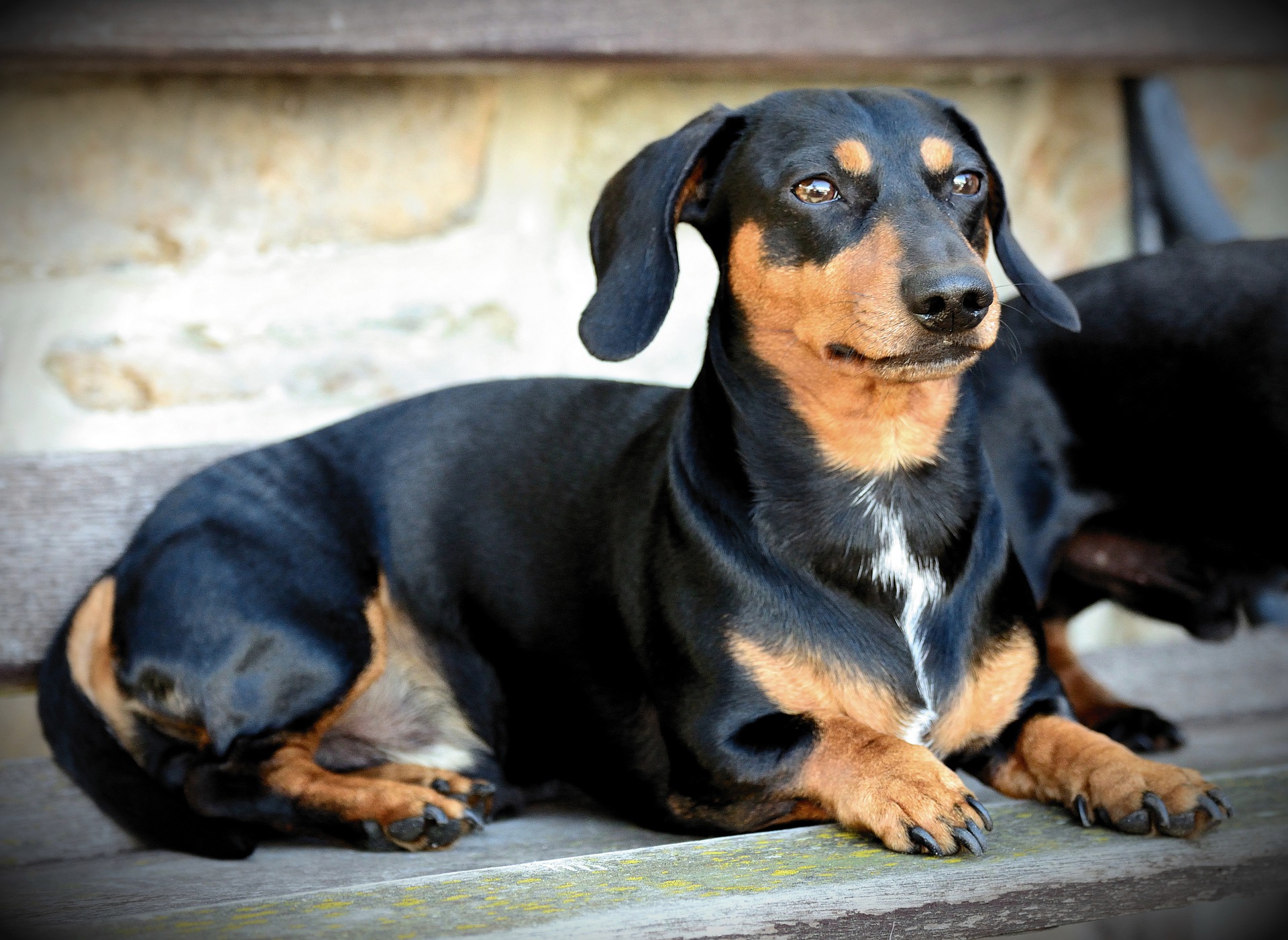
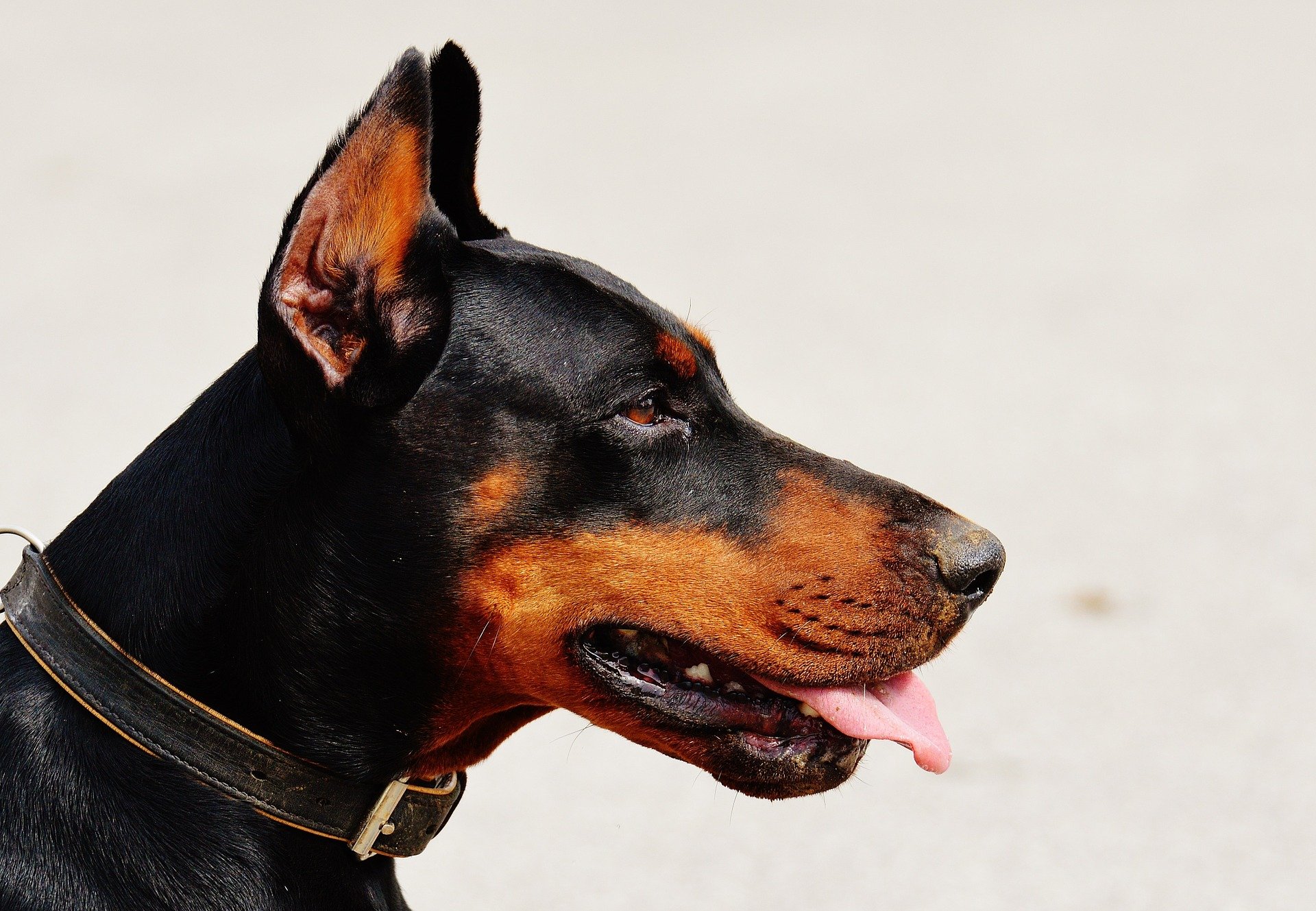
Doberman
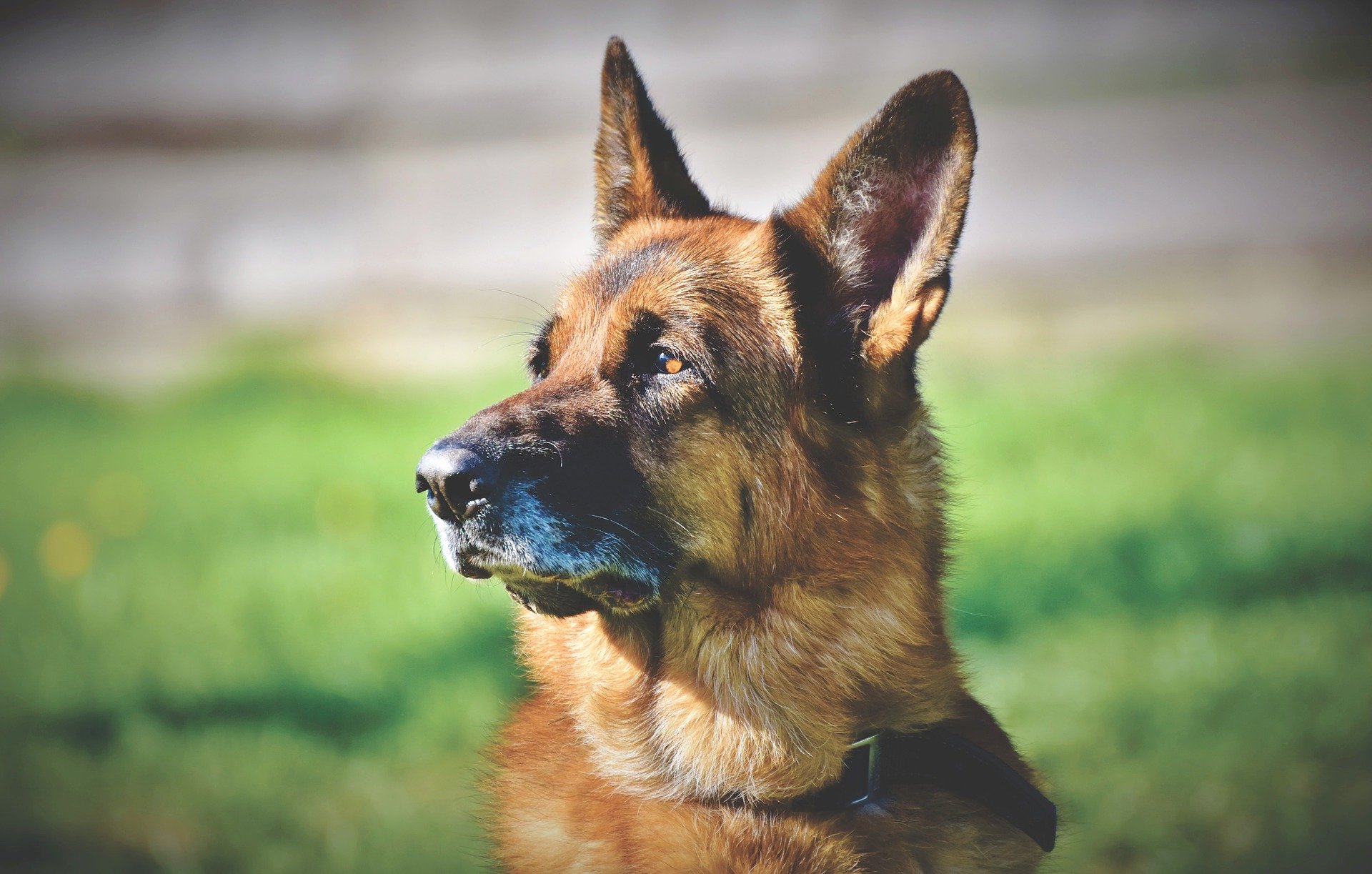
german shepherd
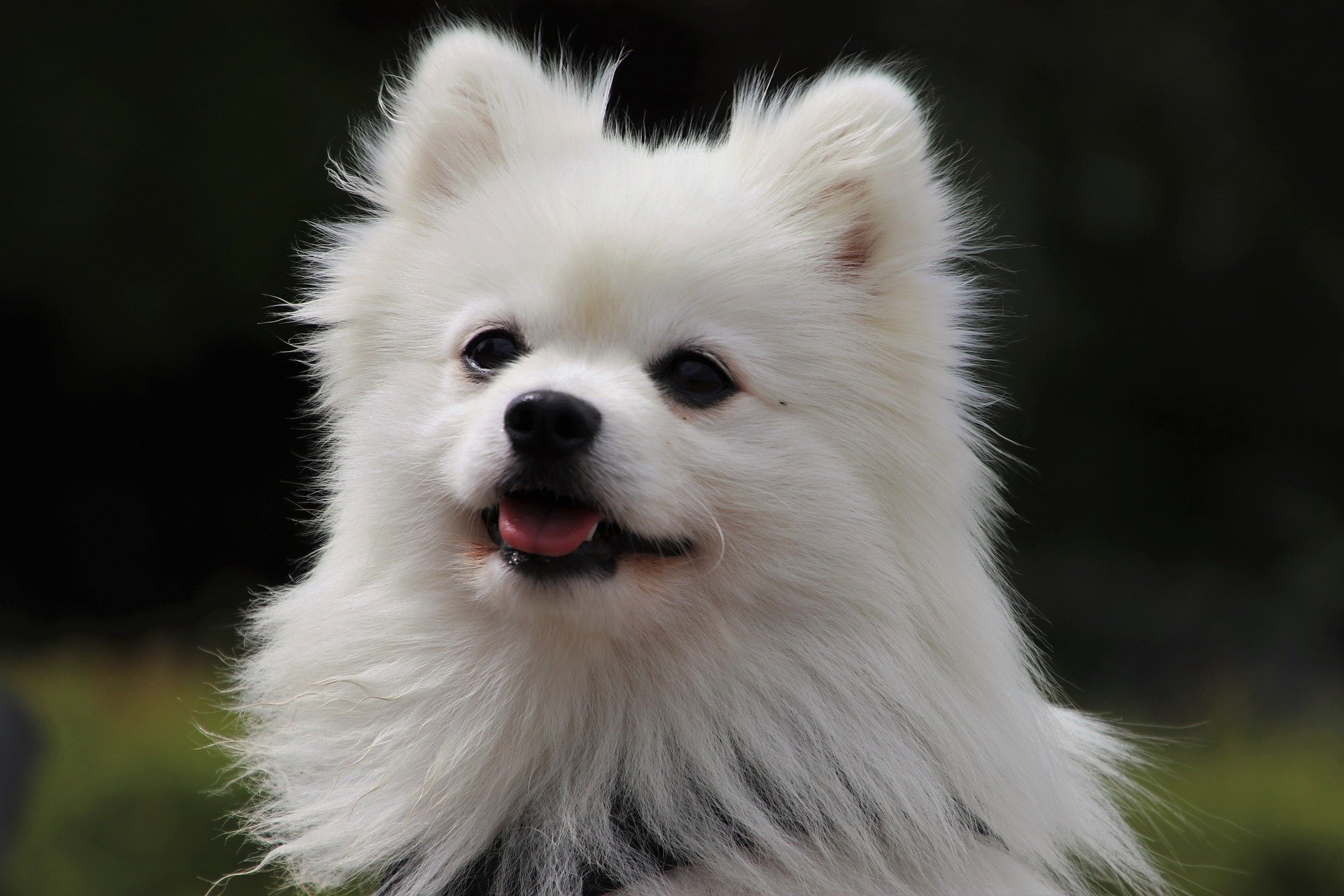
indian spitz
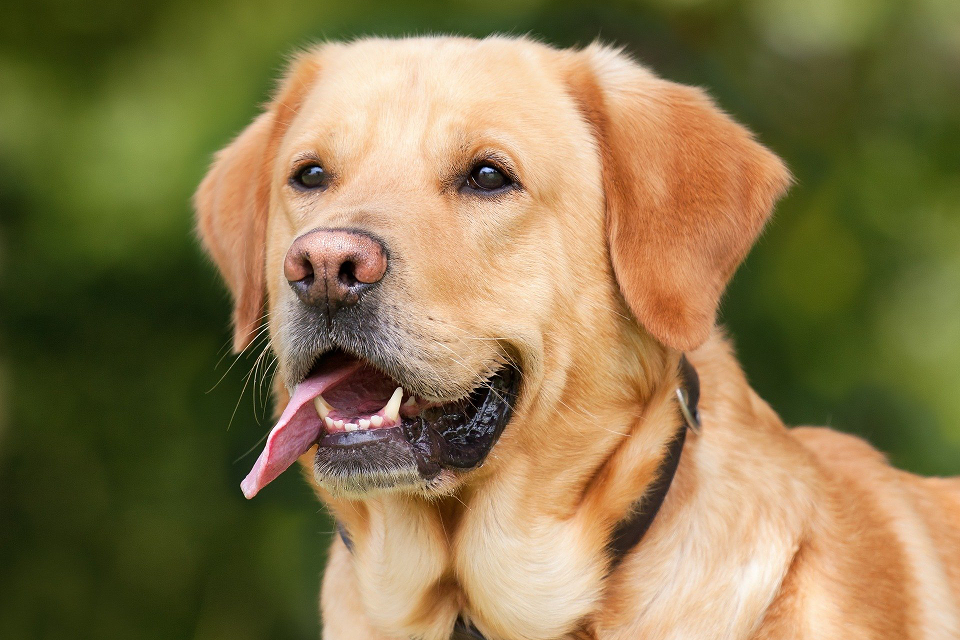
labrador
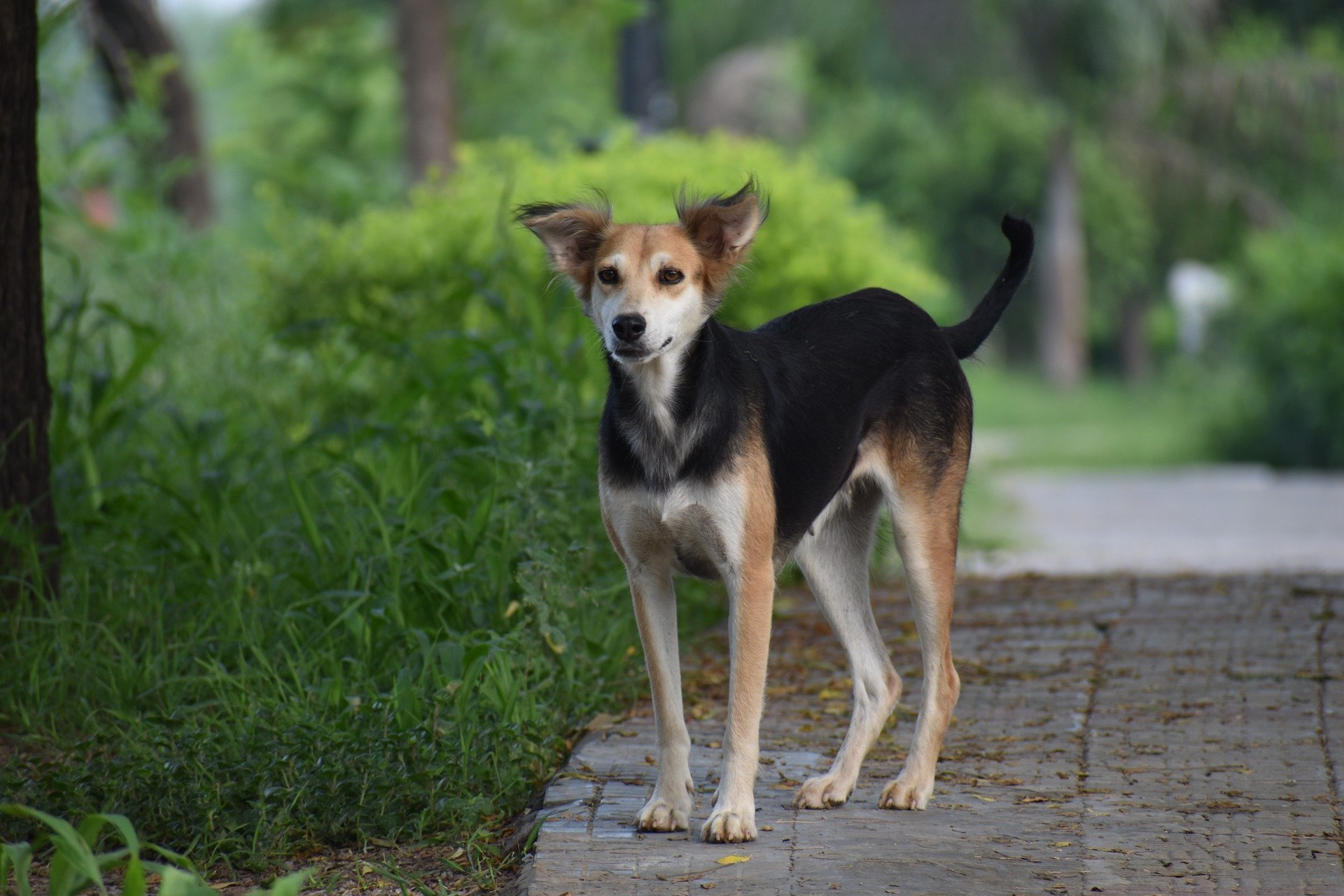
pariah
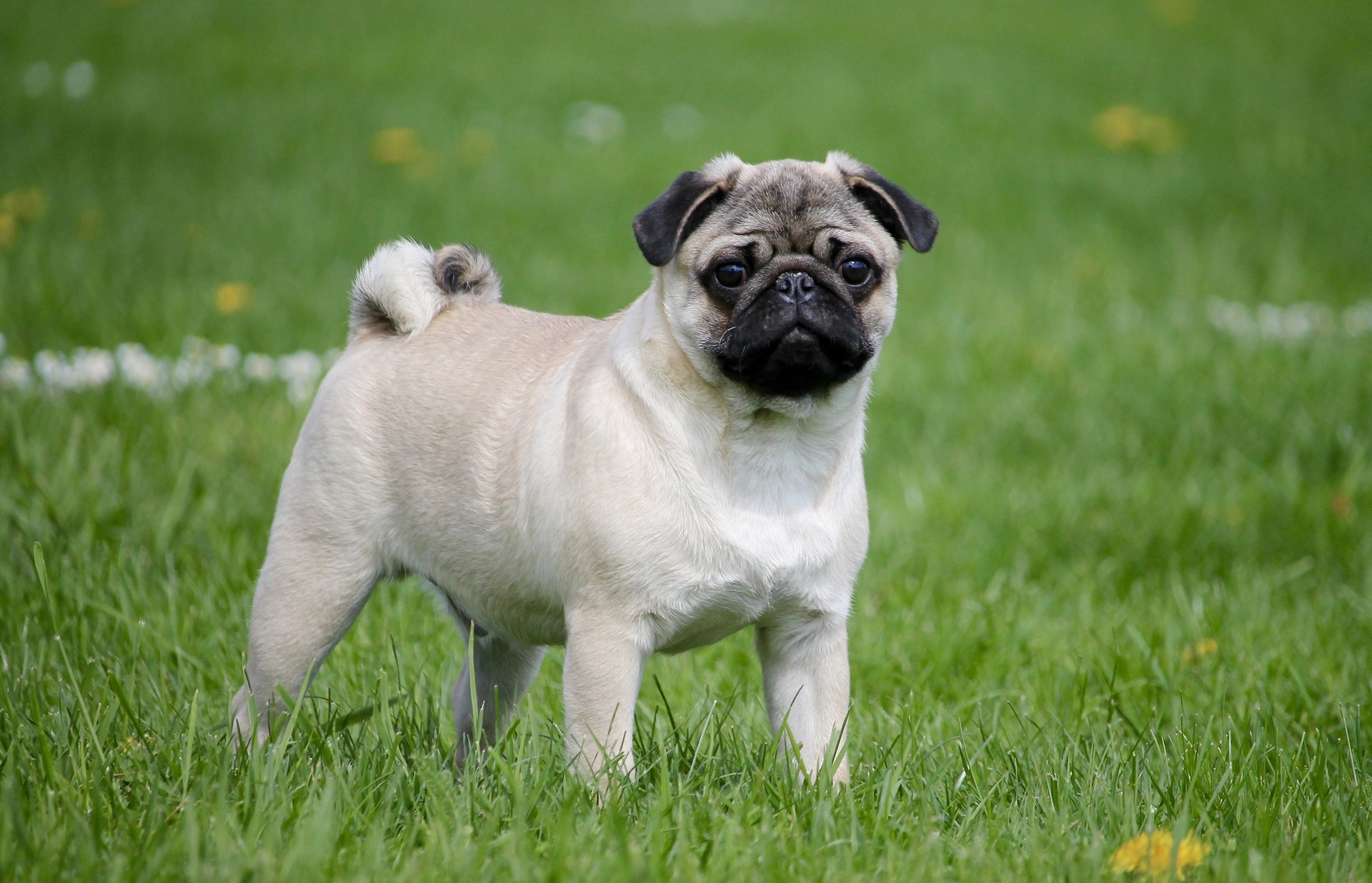
pug