Vaccinations are necessary to prevent your dog from a variety of hazardous and potentially fatal diseases.
Our Cordova veterinarian explains the recommended vaccination plan for your dog.
Vaccination Schedule for Puppies & Adult Dogs, The details below provides an overview of which vaccinations your dog should receive and when.
DHLPPC: Protects your dog against distemper, hepatitis, leptospirosis, parainfluenza, parvo and corona.
First vaccination: 6 - 8 weeks
Second vaccination: 9 - 11 weeks
Third vaccination: 12 - 14 weeks
Fourth vaccination: 16 - 17 weeks
Booster shots: Every 12 months
Vaccination Schedule for Puppies & Adult Dogs
The table below provides an overview of which vaccinations your dog should receive and when.
Bordetella: Protection against kennel cough.
First vaccination: 14 weeksBooster shots: Every 6 - 12 months
Rabies: Keeps your pet safe from the deadly rabies virus.
First vaccination: 16 weeks (varies by state)
Booster shots: Every 12 - 36 months
Lyme: Helps to prevent Lyme disease in pets.
First vaccination: 14 weeks
Second vaccination: 17 weeks
Booster shots: Every 12 months
Does my dog need all of the available vaccines?
Risk factors are different for each pet. However, to protect your dog's health throughout their lifetime it is essential to keep your pet immunized against parvovirus, distemper, rabies and hepatitis.
Your vet will consider the risk factors facing your pet and advise you on which immunizations are best for your dog.
Enrolling your pet in a local dog trainer can be a great way to introduce new skills to your pet while also receiving professional training advice.
This experience will also help your puppy socialise and get used to being around other people and dogs.
Allowing your puppy to know when they have done something correct is an essential part of the training process. Use a low-calorie snack, a healthy treat, or kibble from their regular food portion. Other non-food rewards include praise, attention, or their favourite toy.
It's important to remember that a puppy is a young dog, not a miniature adult. Consider his physical and mental limitations when setting your expectations.
He'll be an adult before you know it!
It takes time to train.
As a result, it's critical to be patient with your puppy and refrain from punishing them when things don't go according to plan.
It's pointless to reprimand your puppy later if they chew the furniture, climb where they shouldn't, or urinate in the house because they are unlikely to understand.
Saying a firm "No!" while the undesirable activity is taking place is the best way to make it clear that it is prohibited.
Teach Your Puppy to Respond When Called
Come should be the first command you teach your pet. Get down on their level and call your dog by their name.
Get excited and use a lot of positive reinforcement when they do. When they're distracted by food or a toy, try the "come" command next time.
You'll see the benefits of perfecting this command as your puppy grows older.
Say No to Nipping and Biting
Instead of scolding your new pet, pretend you're in a lot of pain when they bite or nip you — a sharp, loud yell should suffice.
Most dogs are taken aback and immediately come to a halt. If verbal cues are ineffective, try exchanging a chew toy for your hand or pant leg.
This swap trick can also be used if your puppy discovers the pleasures of chewing on your favourite shoes. In any case, they'd rather have a toy or a bone.
If all else fails, stop the biting and respond by ignoring them.
How to Teach a Puppy to Sit
To begin, place a dog treat in front of your dog's nose. Lift the treat over your dog's head to coax them into a sitting position.
Your dog should naturally sit as they lift their head to follow the treat. Recognize and reward your dog for good behaviour.
Repeat these steps several times a day until your dog gets it. Following that, continue to use the hand gesture while gradually removing the treat.
Once your dog consistently sits, you can add a verbal cue at the same time.
Exercise will keep their muscles strong and their weight within the safe range.
Making sure your dog gets regular exercise is one of the most important things you can do as a pet owner.
If your dog develops a routine, he will not only strengthen his immune system, but he will also be able to avoid some serious dog health issues such as joint and heart problems. Many people believe that overweight dogs are simply lazy. However, the dog is usually not to blame for a lack of exercise training.
It is entirely the owner's fault. They have not been trained since they were puppies. While you are at work or running errands, your dog may be kept inside.
Within the confines of a house, a dog can only do so much for exercise. It is critical that your dog receives plenty of supervised practise.
You can be confident that your dog is getting enough exercise to keep him healthy and fit if you monitor his activity levels.
Walking is one of the most common activities they can do with your dog. Dogs should ideally be taken on a long walk at least twice a day.
The length of the step is more dependent on the breed of dog you have. Some breeds of dogs have the stamina to walk for longer and farther distances than others.
The most natural solution is to walk to a park that is a reasonable distance from your house. When you have walked your dog sufficiently, he will show signs of exhaustion as soon as you arrive home.
Indoor Dog Exercises:
Inclement weather can throw a wrench in your dog’s exercise routine. Hot days, cold days, and rainy days make it difficult to get outside for long periods of time, and may even pose health risks.
Here are some indoor dog exercises you and your pup can do to burn off steam and stay in shape.
Stairs. Running up and down the stairs a few times when you can’t get outside is great for building muscle. Just be sure not to push your dog too hard, as this exercise is just
as strenuous for dogs as it is for people. Take special care with Dachshunds, Pembroke Welsh Corgis, and other dogs with longer backs and shorter legs, because stairs may prove more challenging for these dogs.
Hide-and-Seek. Hide-and-seek gets your dog moving and provides mental stimulation. You can also work in a game of chase.
Tug. Games of tug, when played properly, build muscle and the human-animal bond. Most dogs enjoy tug, and there are a wide variety of tug toys available.
Agility. When we think of agility, we usually think of large indoor agility spaces or outdoor courses.
You can, however, make your own agility course out of household items such as broom handles, boxes, Hula-Hoops, and ottomans.
Practice your agility at home or consider joining a local club that has an indoor agility space.
Outdoor Dog Exercises :
Walking and running:
Walking your Pitbull on a daily basis will also allow him to sniff around and explore the neighbourhood. You can also use this opportunity to socialise with your Pitty.
You can also take your dog for short walks. However, because Pitties are prone to joint problems, don't overdo it. Also, whether you're walking or running, make sure your dog is leashed. This will keep you in command regardless of what happens.
Fetch is a game.
Pitbulls enjoy playtime, and you can use it to provide them with adequate cardio and mental stimulation. The benefit of this routine is that it can be performed both indoors and outdoors. You can toss a toy for your Pitty to retrieve. It's best to do this in a large open area so your dog has more room to run around.
But, before you take the dog on an energetic run, make sure it doesn't have any joint issues. You can also use fetch drills to train your dog for obedience, command recall, and impulse control.
Catching a Frisbee Mental exercises Dogs enjoy being mentally challenged. Play some mental games with them if you want to use their intelligence to create something great.
Your Pitbull will enjoy catching Frisbees in the air, just like he would when playing fetch. This is consistent with their instinct to run after a moving object.
This is how I exercise my Pitbull, who enjoys romping and running. To avoid losing your dog outside, make sure you control the distance of your throw.
We also recommend that you take advantage of this opportunity to teach your dog how to bite and release. You can use some of your rewards here.
Frisbee games, in addition to exercising your dog, will improve their agility, allowing them to compete in dog sports.
It is also critical that they stretch their brain muscles. These aren't as active as other routines, but they're important for keeping your dog sharp and skilled.
You can always alternate between these and walking or running.
For example, you could take your dog for a 30-minute walk and then play some of these games when you get home.
They may also turn your dog into a picky eater.
In this case, the advice of a veterinarian can be helpful.
Ask your dog to sit before feedings, following the "nothing in life is free" rule. This will satisfy his desire to "earn" his food while also reinforcing good behaviour.
Check to see if your dog is eating too quickly or exercising too soon after eating.
Some special circumstances, such as food allergies, medical conditions, and life stage, may necessitate changing your dog's diet.
Always seek advice from your veterinarian.
Why we need dogs at home
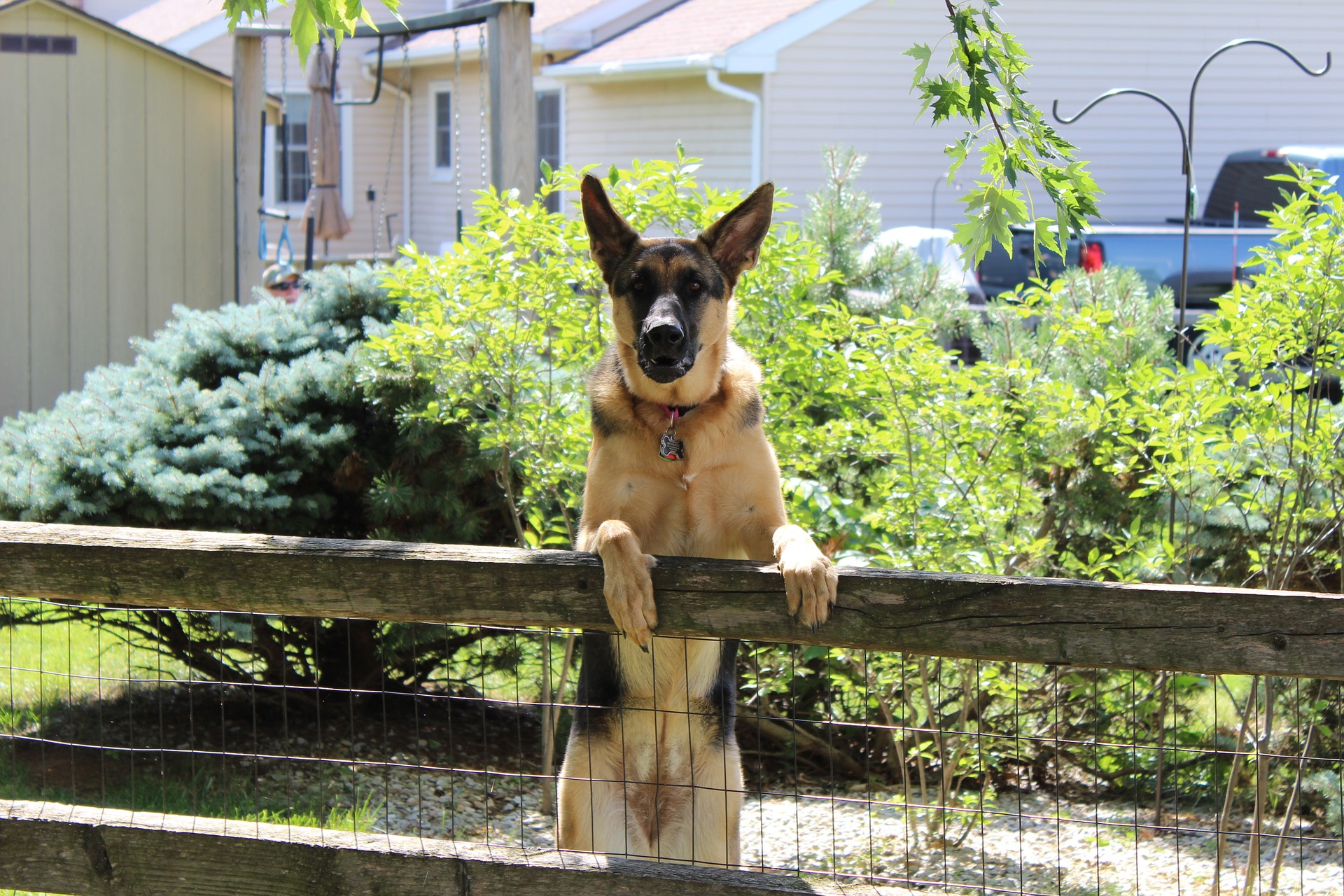
Home guard dog
Pet dogs are the friendliest and most secure guardians for your home, Each pet dog has feelings and friendly manners, and also protect your family from intruders. The police and military use trained dogs to detect criminal activity. Dog's are not that difficult to train, there are many professional trainers who can assist you, and train them to obey your commands
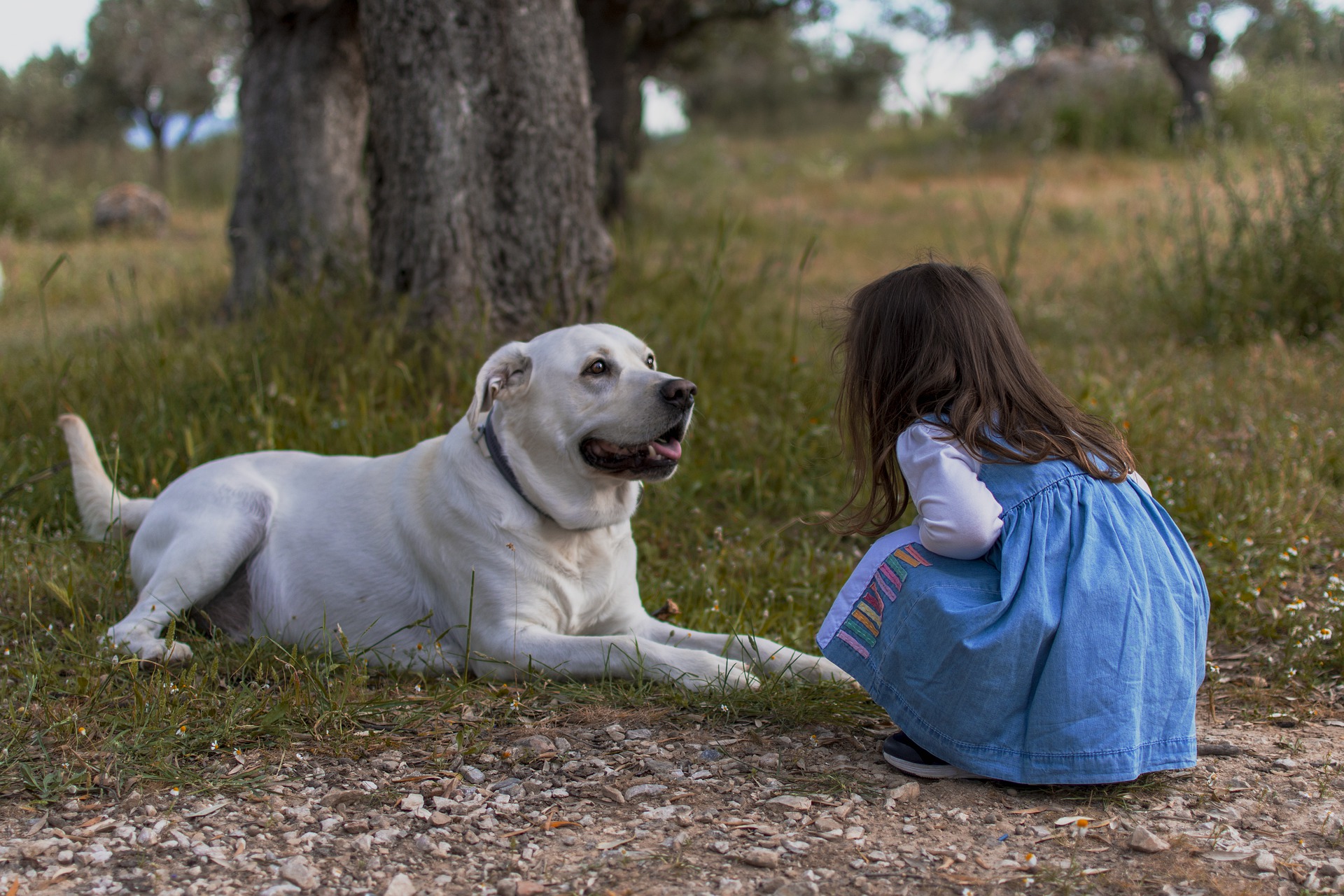
Kids with Pet Dog
Are you concerned that your children are not in the best of health?
Get yourself a dog. Dogs keep kids active: Too many kids nowadays would rather sit at home on the couch playing video games; however, if your family has a dog, it gives your children a great excuse to get outside and stay active. Dogs teach children responsibility: when your children assist in walking, bathing, and feeding the dog, they are learning the important skill of caring for another living creature. Pet dogs are the friendliest and most secure guardians for your home Each pet dog has feelings and friendly manners, and also protect your family from intruders. The police and military use trained dogs to detect criminal activity. dog's are not that difficult to train, there are many professional trainers who can assist you, and train them to obey your commands.
Most popular Dog Breeds & Characteristics
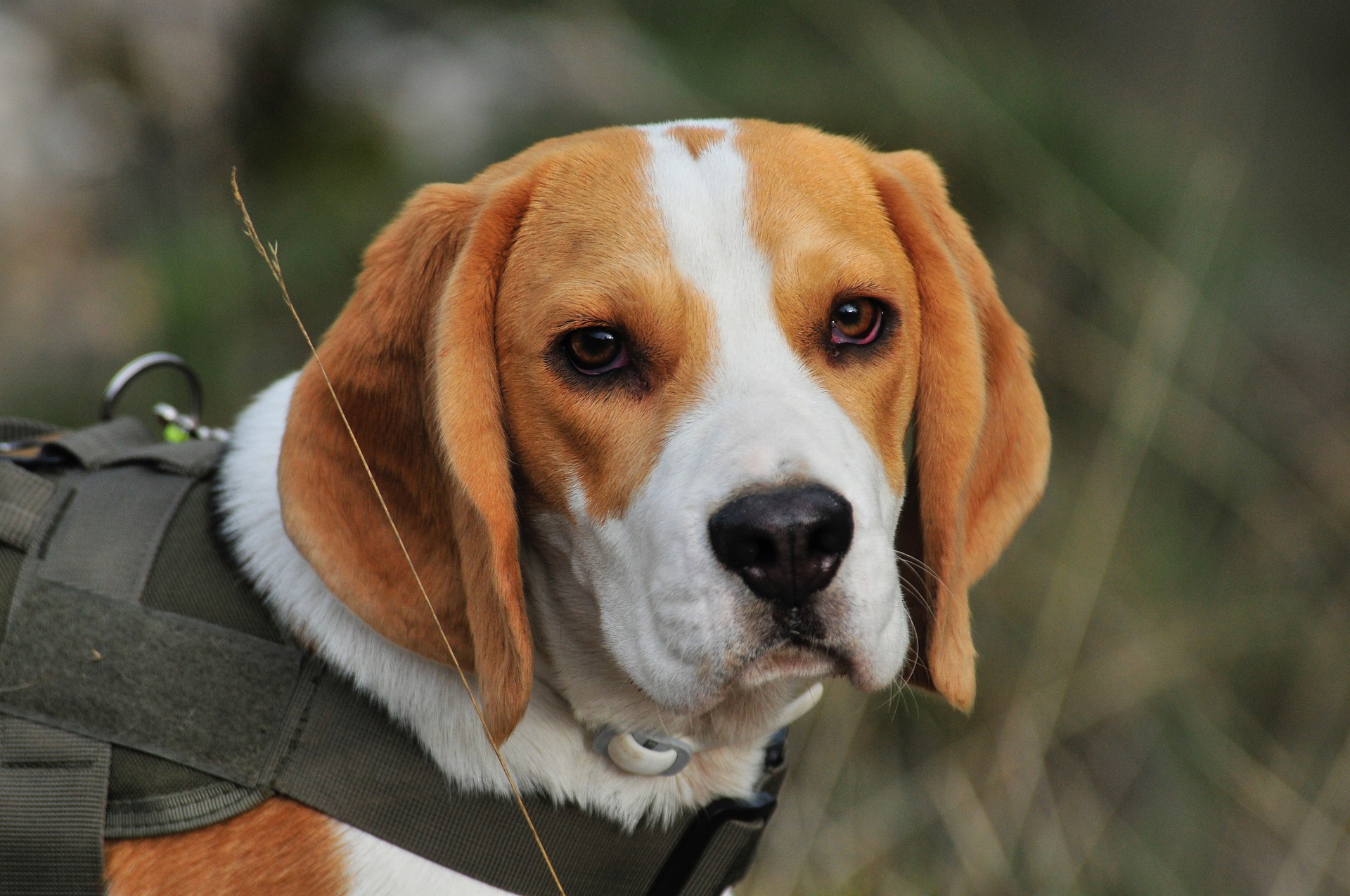
Beagle
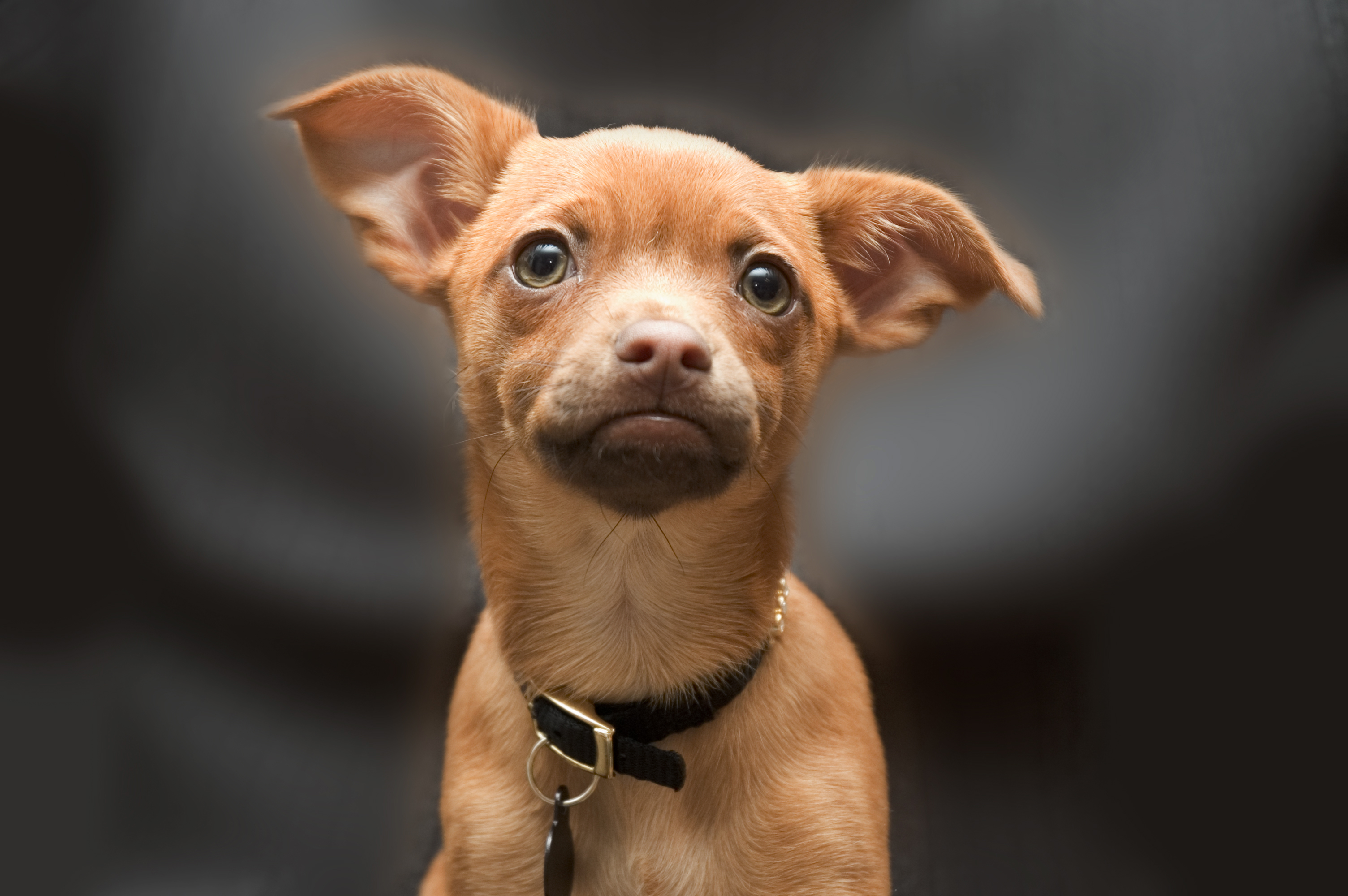
Chihuahua
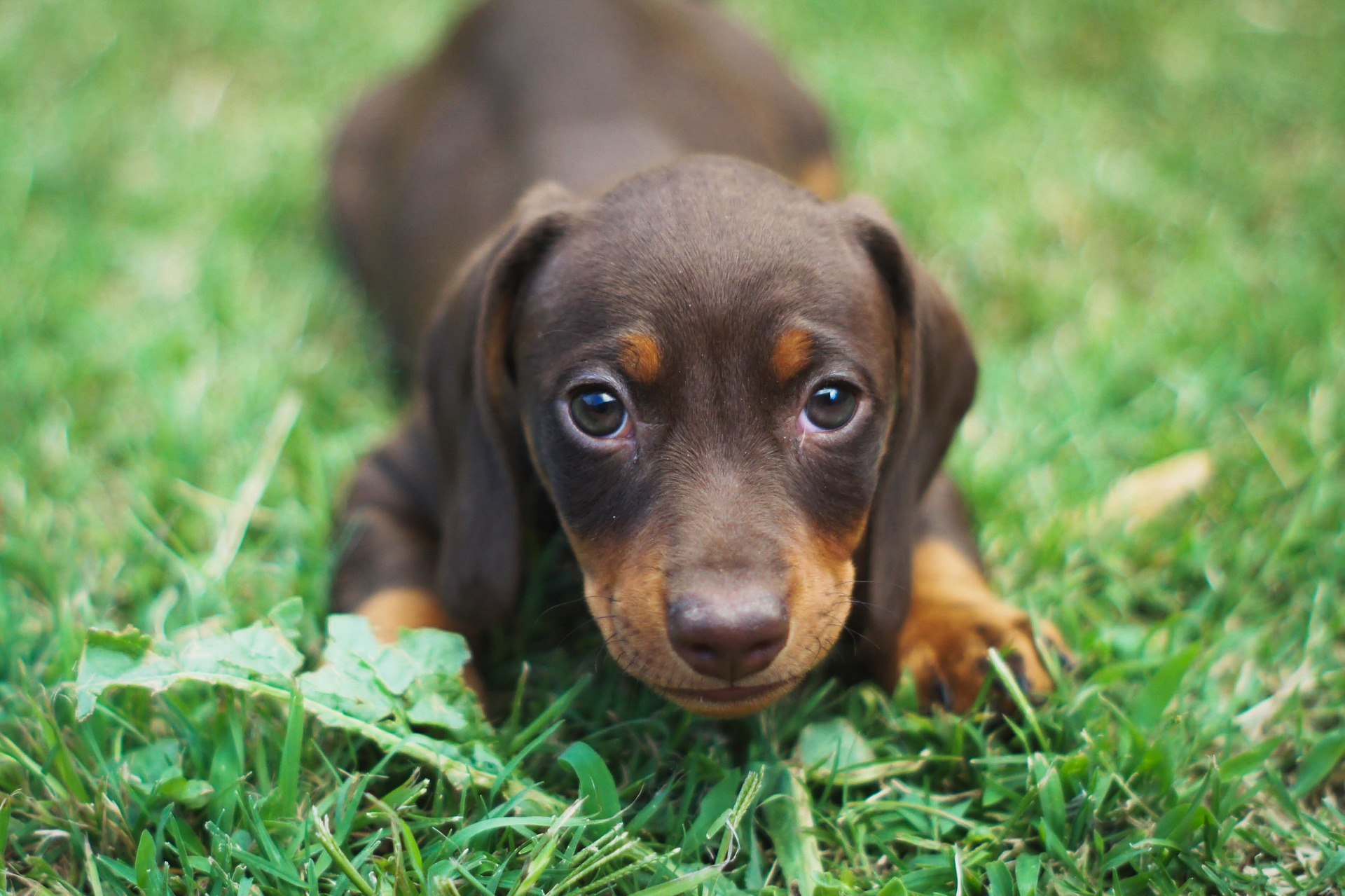
Dachshund
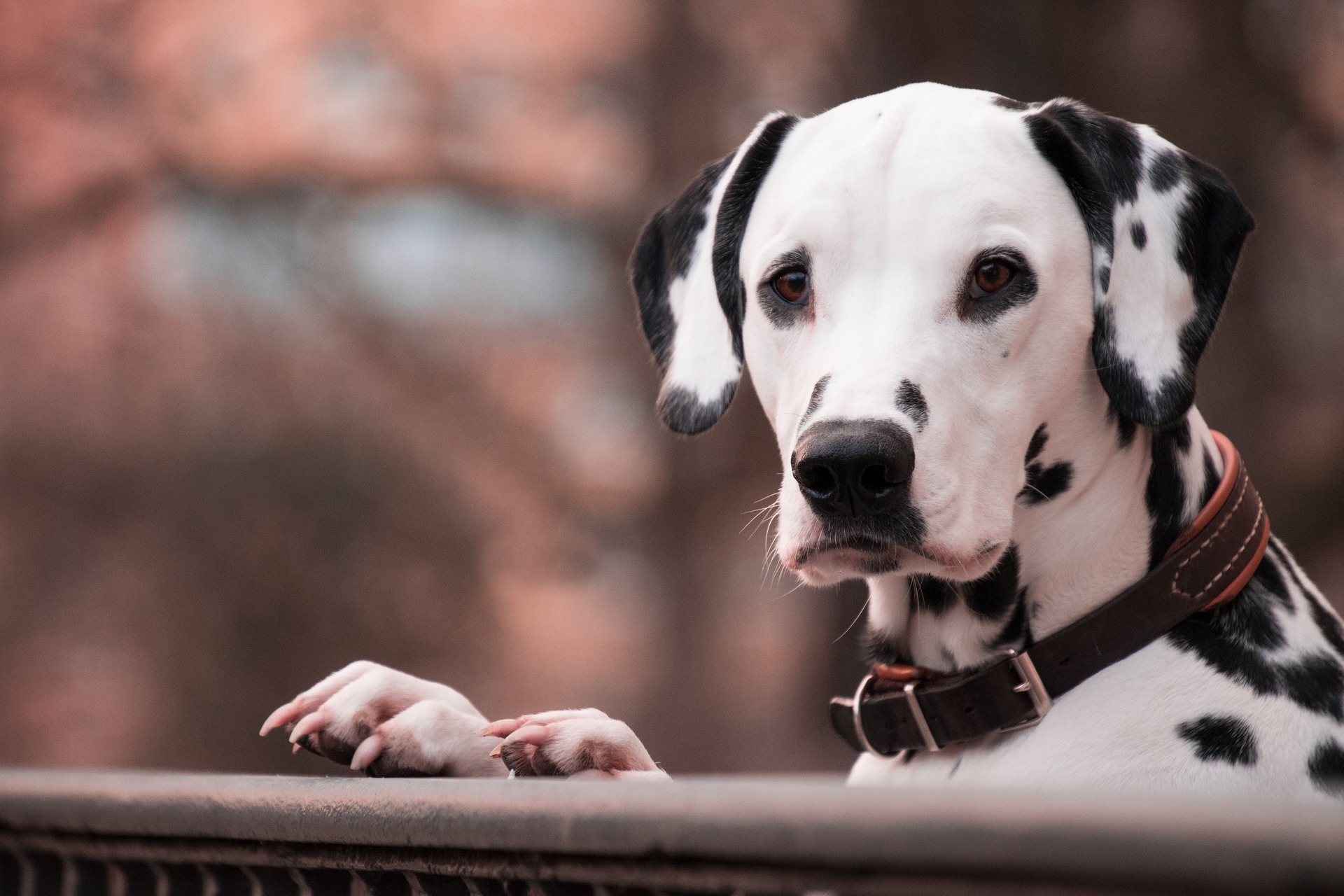
Dalmatian
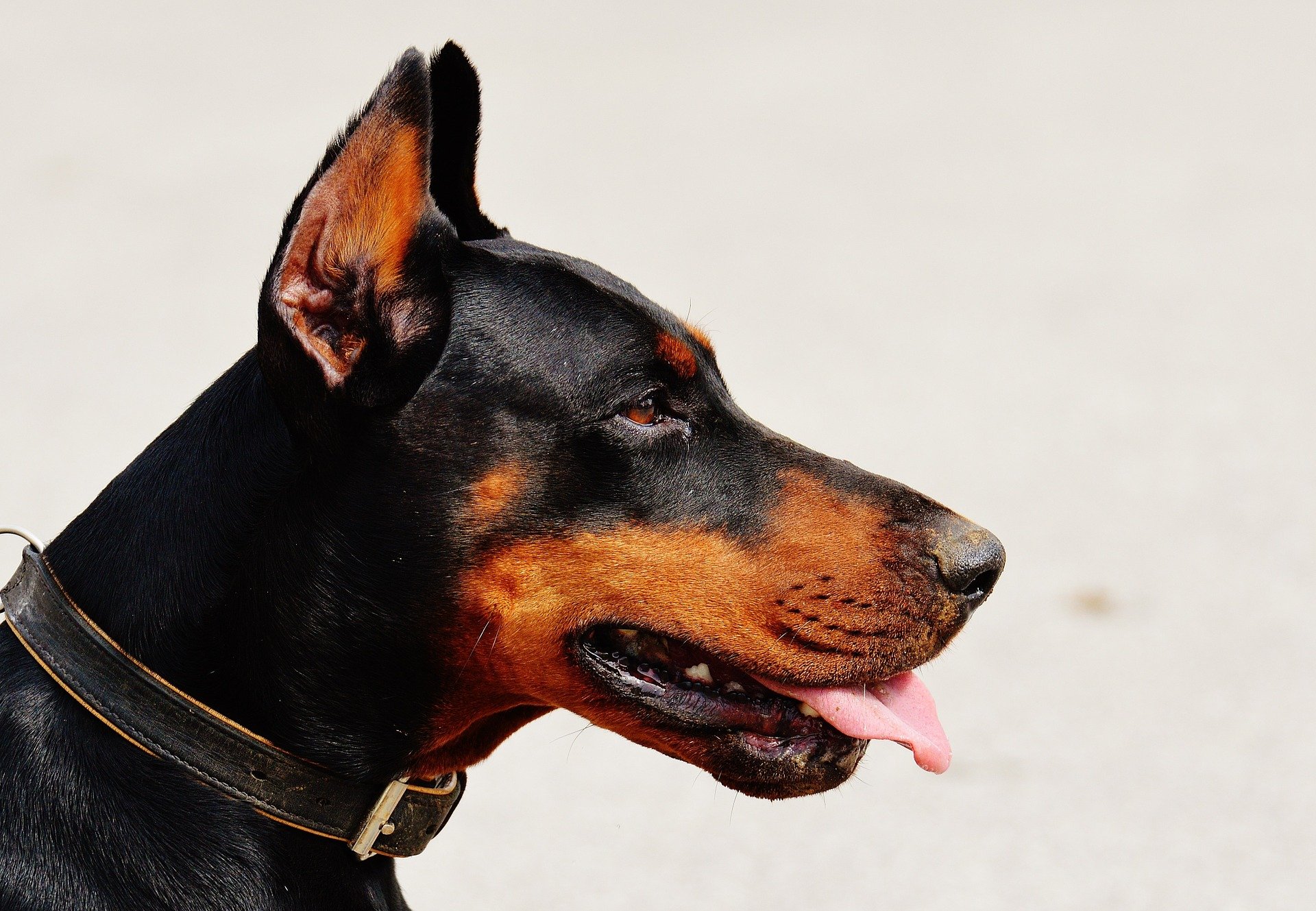
Doberman
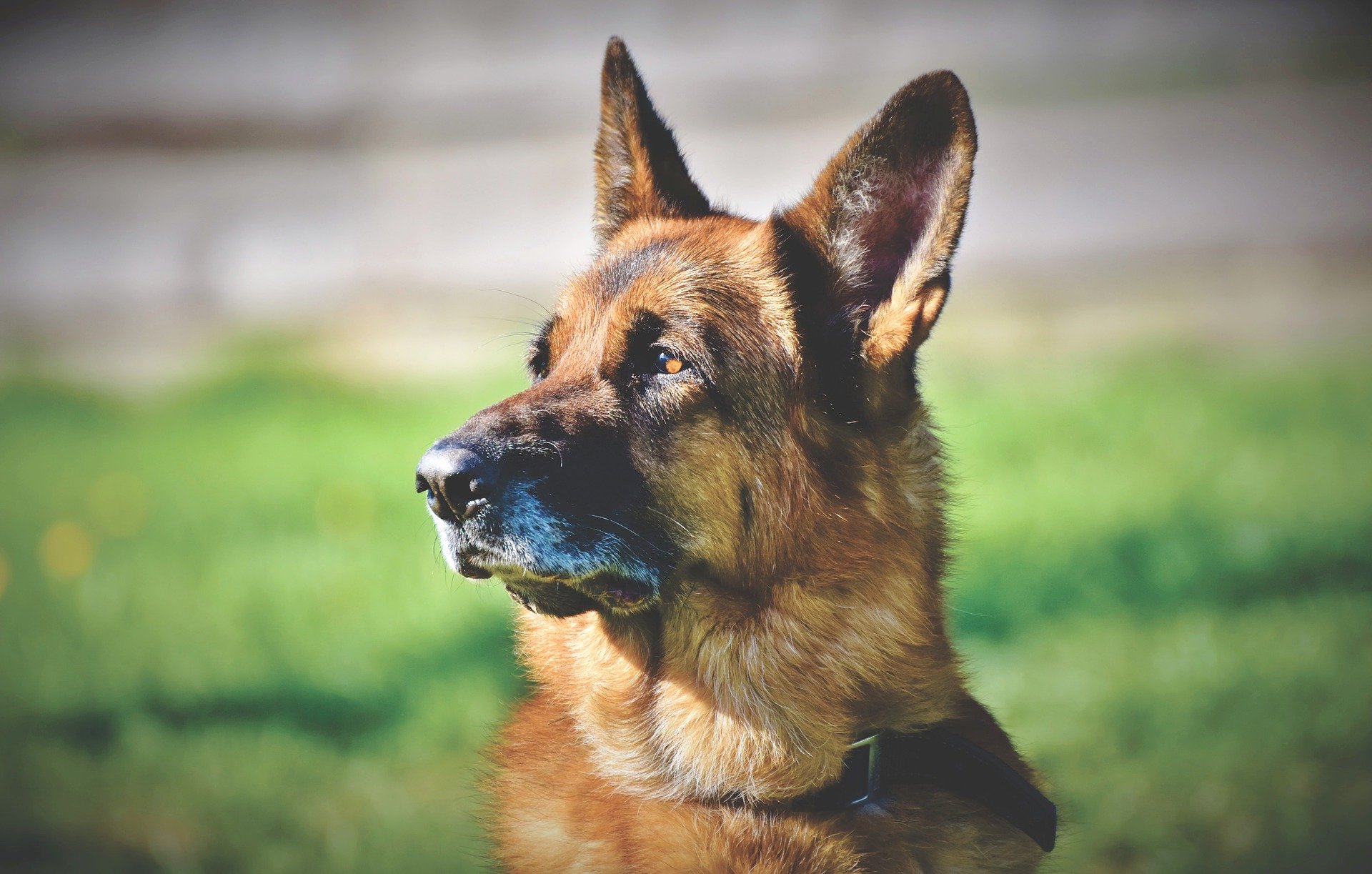
german shepherd
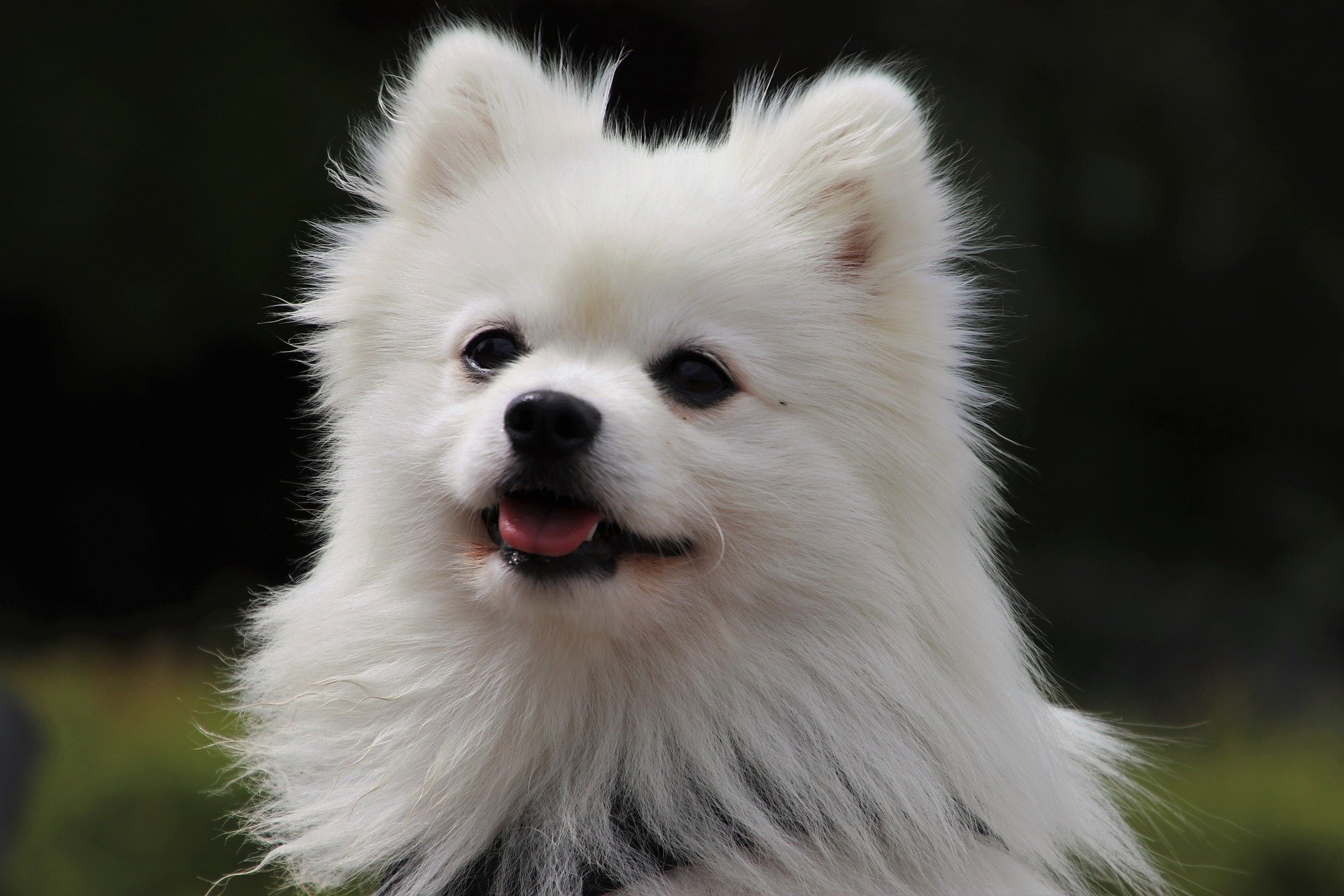
indian spitz
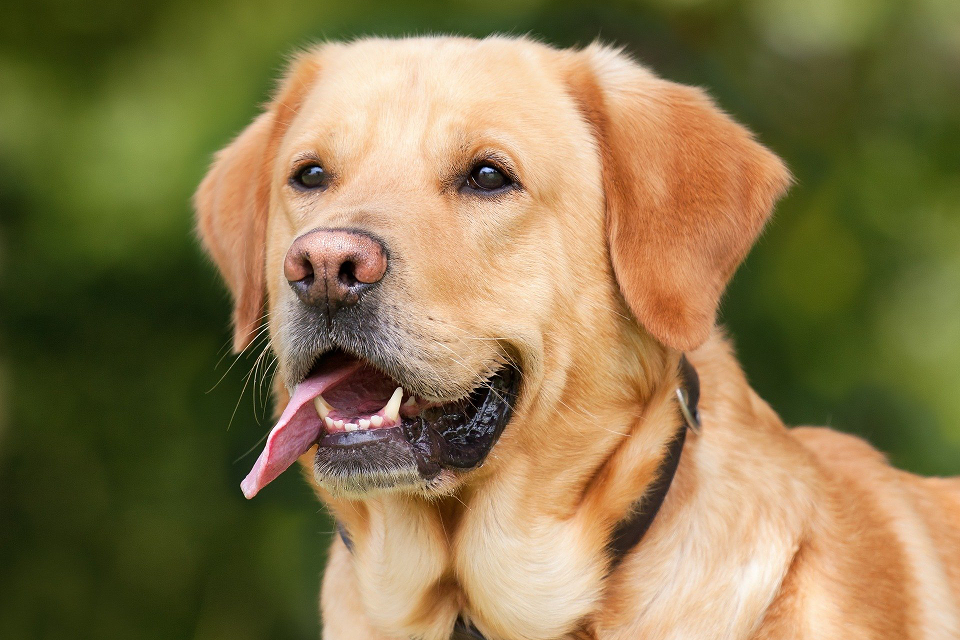
labrador
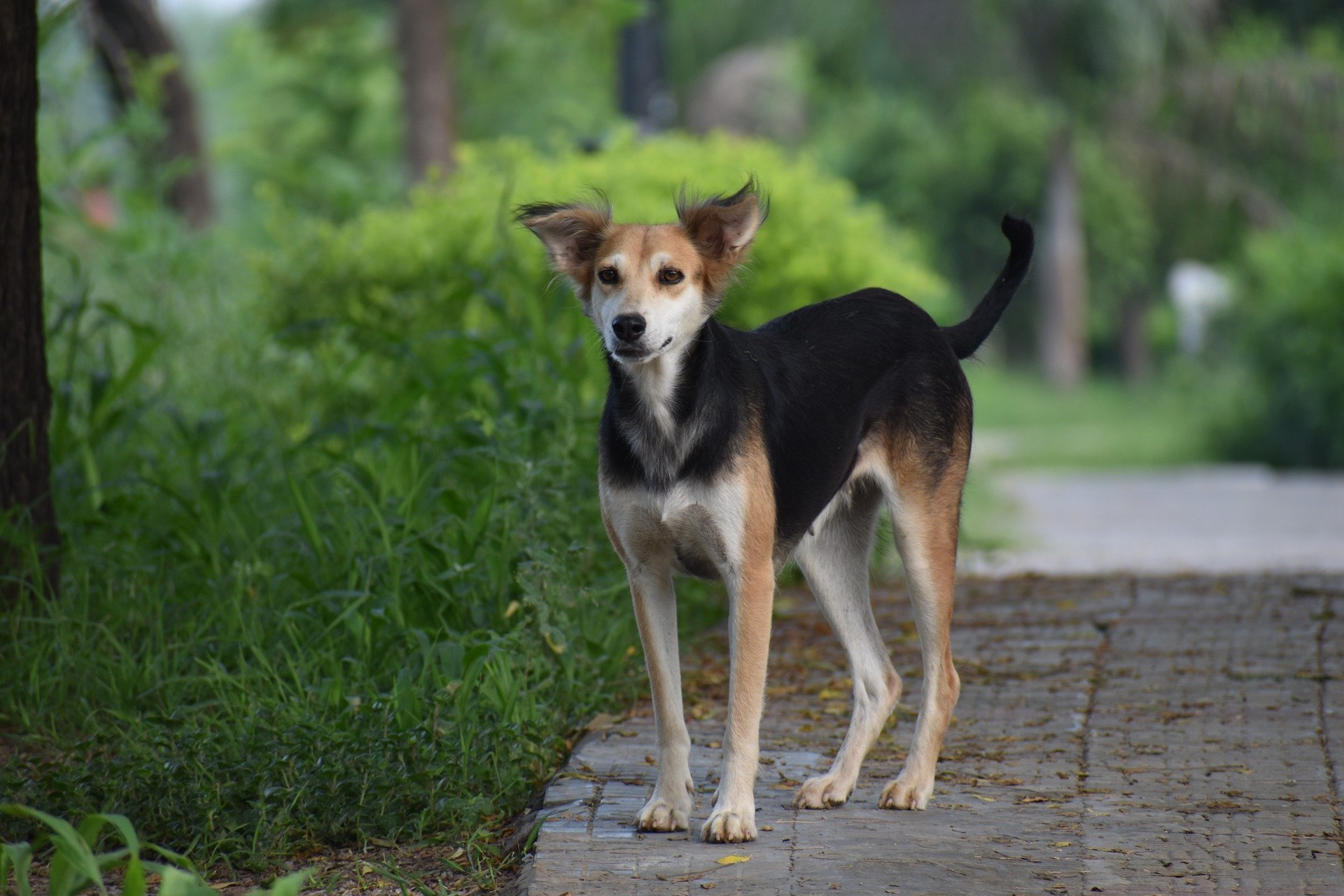
pariah
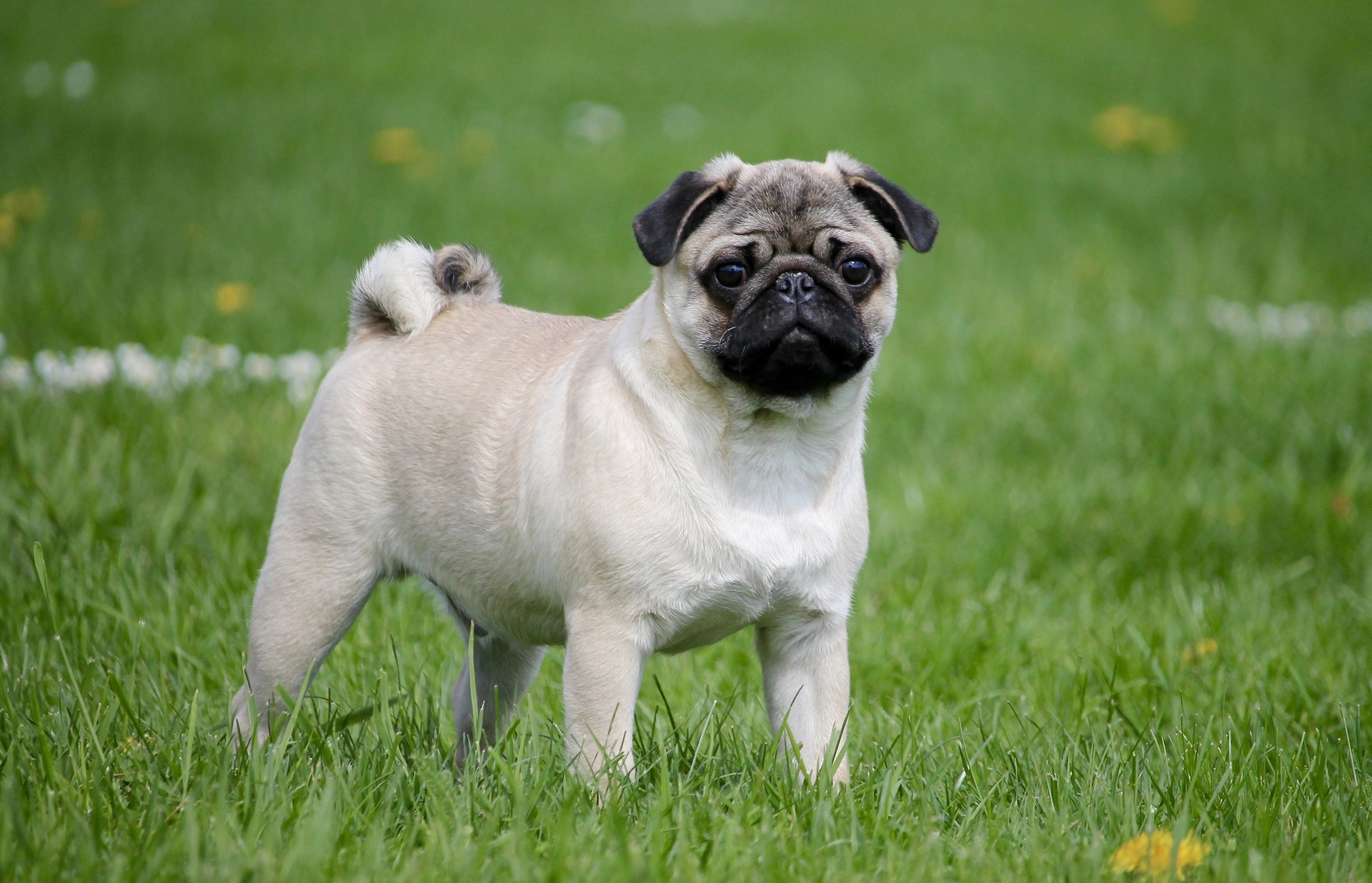
pug
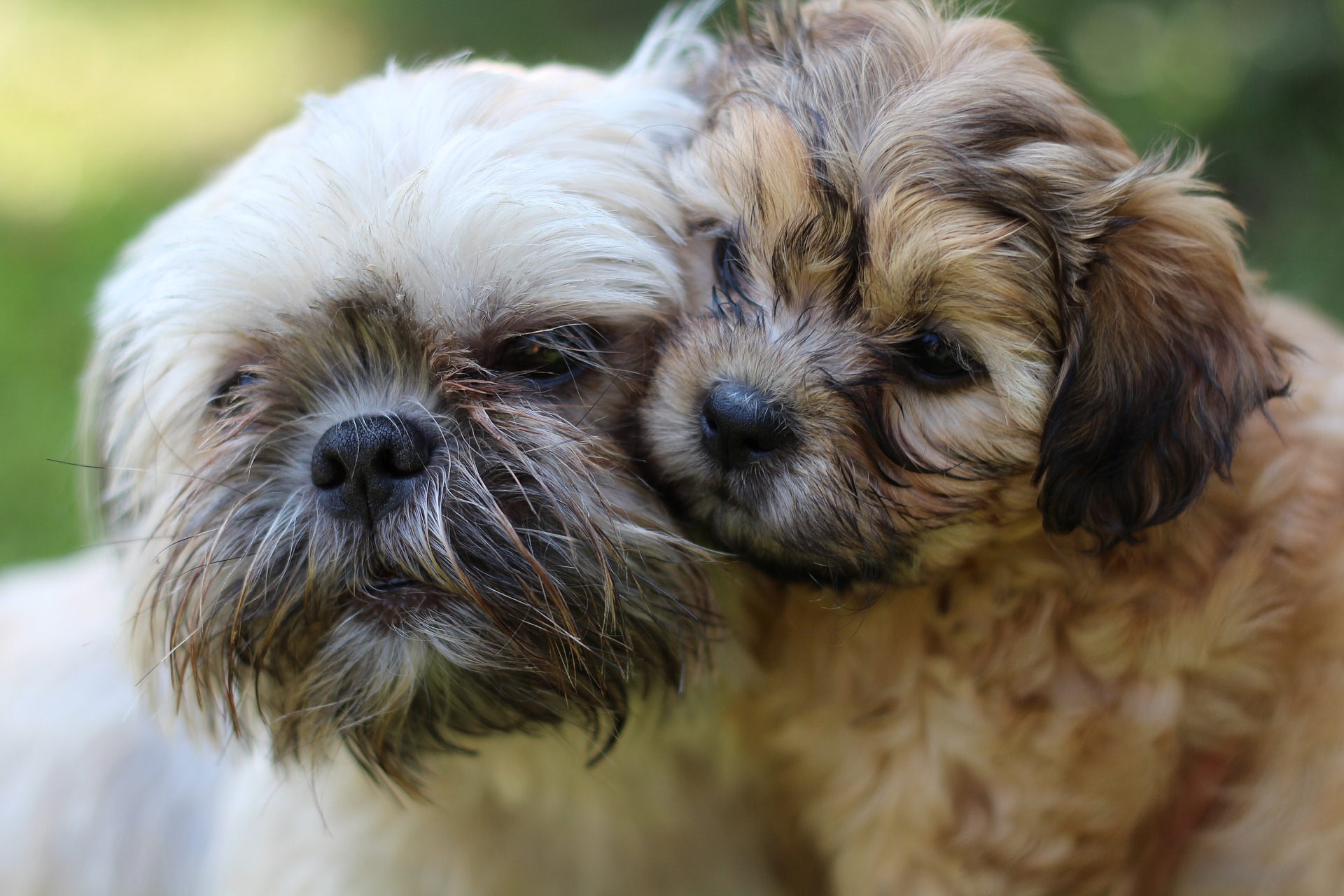
shih-tzu
testimonials
here it from our clients
Pat a lorem ipsuet nibh fusce mollis imperdie tlorem ipuset phas ellus ac sodales Lorem ipsum dolor Phas ellus ac sodales felis tiam non metus. vest ibulum orci eget usce mollis imperdiet interdum donec eget metus auguen unc vel lorem ispuet Ibu lum orci eget, viverra elit liquam erat volut pat phas ellus ac sodales Lorem ipsum dolor sit amet, consectetur adipisicing elit uasi quidem minus id iprum omnis.

Pat a lorem ipsuet nibh fusce mollis imperdie tlorem ipuset phas ellus ac sodales Lorem ipsum dolor Phas ellus ac sodales felis tiam non metus. vest ibulum orci eget usce mollis imperdiet interdum donec eget metus auguen unc vel lorem ispuet Ibu lum orci eget, viverra elit liquam erat volut pat phas ellus ac sodales Lorem ipsum dolor sit amet, consectetur adipisicing elit uasi quidem minus id iprum omnis.

Pat a lorem ipsuet nibh fusce mollis imperdie tlorem ipuset phas ellus ac sodales Lorem ipsum dolor Phas ellus ac sodales felis tiam non metus. vest ibulum orci eget usce mollis imperdiet interdum donec eget metus auguen unc vel lorem ispuet Ibu lum orci eget, viverra elit liquam erat volut pat phas ellus ac sodales Lorem ipsum dolor sit amet, consectetur adipisicing elit uasi quidem minus id iprum omnis.