German Shepherd
The German Shepherd was developed from central and southern German herding dogs.
After the first breed association was formed in 1889, systematic breeding began with the purpose of generating an energetic, versatile, and high-achieving working dog.
After the first breed association was formed in 1889, systematic breeding began with the purpose of generating an energetic, versatile, and high-achieving working dog.
The German Shepherd was developed from central and southern German herding dogs. After the first breed association was formed in 1889, systematic breeding began with the purpose of generating an energetic, versatile, and high-achieving working dog.
German Shepherds are energetic canines. Consider how much you can let them run at full speed over a field. They prefer plenty of outside time and enough of space to exercise at maximum capability. A home with a spacious backyard for running around would be excellent for a German Shepherd, and that's without considering all of the hikes, runs, and adventures they'd like to go on with you.
German Shepherds make excellent family pets and get along well with children if properly socialised.
German Shepherds make excellent family pets and get along well with children if properly socialised.
Life expectancy: 9 – 13 years
Origin: Germany
Speed: 48 km/h (Maximum, Running)
Colors: Black, Black & Silver, Black & Tan, Sable, Grey, Red & Black
Height: Male: 60–65 cm, Female: 55–60 cm
Temperament: Intelligent, Stubborn, Loyal, Alert, Obedient, Curious, Confident, Watchful, Courageous
Weight: Male: 30–40 kg, Female: 22–32 kg
Origin: Germany
Speed: 48 km/h (Maximum, Running)
Colors: Black, Black & Silver, Black & Tan, Sable, Grey, Red & Black
Height: Male: 60–65 cm, Female: 55–60 cm
Temperament: Intelligent, Stubborn, Loyal, Alert, Obedient, Curious, Confident, Watchful, Courageous
Weight: Male: 30–40 kg, Female: 22–32 kg
Every day, a German Shepherd will require at least two hours of exercise. This should include walks and off-leash exercise in a safe environment, as well as additional playtime and training to provide diversity. German Shepherds are high-energy canines who were developed to labour and defend sheep flocks before being adopted by military and police agencies. As a result, German Shepherds are among the most energetic dogs available. Of course, their exercise requirements will differ depending on a variety of factors such as their age, fitness level, general health, food intake, and so on.
German shepherd dogs get along well
with children and other pets if raised with them, but in keeping with
their guarding instincts, they tend to be leery of strangers. The breed
is considered to be smart and easy to train.
Some poorly bred German shepherd dogs can be high-strung and nervous.
Some poorly bred German shepherd dogs can be high-strung and nervous.
Coupled with poor socialisation and inadequate training, over guarding and aggressive behaviour are risks.
German Shepherds are self-assured, courageous, intelligent, and gentle, though they can be slow to make friends.
Because of their herding heritage, they are extremely noble and loyal — both to the work they do and to their owners.
German Shepherds are energetic, self-assured, and extremely intelligent dogs.
Because of their herding heritage, they are extremely noble and loyal — both to the work they do and to their owners.
German Shepherds are energetic, self-assured, and extremely intelligent dogs.
During birth, the average newborn German Shepherd puppy weighs between 370 and 600 grammes.
They are completely reliant on their mothers' milk for nutrition.
If the mother's milk is not available, top quality powdered milk should be fed to the pups at regular intervals.
When German Shepherd puppies reach the age of one week, their weight nearly doubles.
As the pups gain weight and mobility, they become increasingly thirsty for milk.
They are completely reliant on their mothers' milk for nutrition.
If the mother's milk is not available, top quality powdered milk should be fed to the pups at regular intervals.
When German Shepherd puppies reach the age of one week, their weight nearly doubles.
As the pups gain weight and mobility, they become increasingly thirsty for milk.
As a result, their feeding amount varies on a weekly basis.
For Adult:-
German Shepherds require a minimum of 22 percent protein during their growth stages and 18 percent protein as adults. Puppies require 8% fat, while adults require 5% fat to meet their energy requirements. Survival necessitates the consumption of carbohydrates, vitamins, minerals, and water.
These essential nutrients, which are involved in all of the body's basic functions, must be included in a GSD's daily diet.
Grooming is relatively simple for most German Shepherd owners.
German Shepherds have a medium-length double coat that consists of a soft undercoat and a dense, coarser outer coat.
They shed moderately all year, but more heavily in the spring and fall.
They may require regular brushing throughout seasonal shedding seasons to eliminate dead fur.
Brushing once a week as maintenance over the rest of the year should suffice.
Bathing your German Shepherd on a regular basis will help keep him clean.
To preserve oral health, German Shepherds' nails should be clipped on a regular basis, and their teeth should be brushed.
German Shepherds have a medium-length double coat that consists of a soft undercoat and a dense, coarser outer coat.
They shed moderately all year, but more heavily in the spring and fall.
They may require regular brushing throughout seasonal shedding seasons to eliminate dead fur.
Brushing once a week as maintenance over the rest of the year should suffice.
Bathing your German Shepherd on a regular basis will help keep him clean.
To preserve oral health, German Shepherds' nails should be clipped on a regular basis, and their teeth should be brushed.
Do you want to share about your pet on our website?
Tell us about your pet dog's characteristics, and we'll post them on our website.
If you have any questions for us, please leave them in the comments section.
Browse More popular Dog Breeds & Characteristics
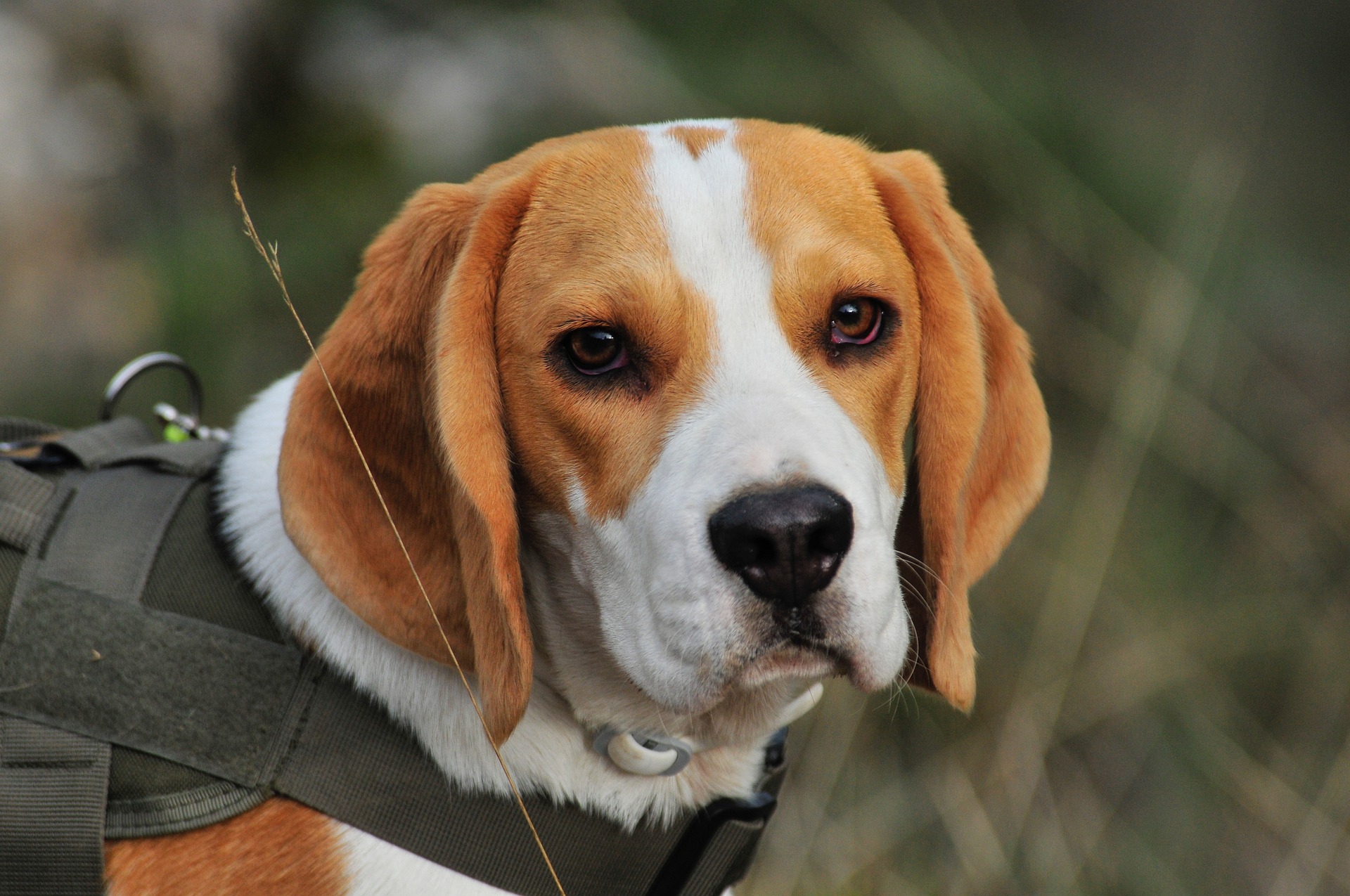
Beagle
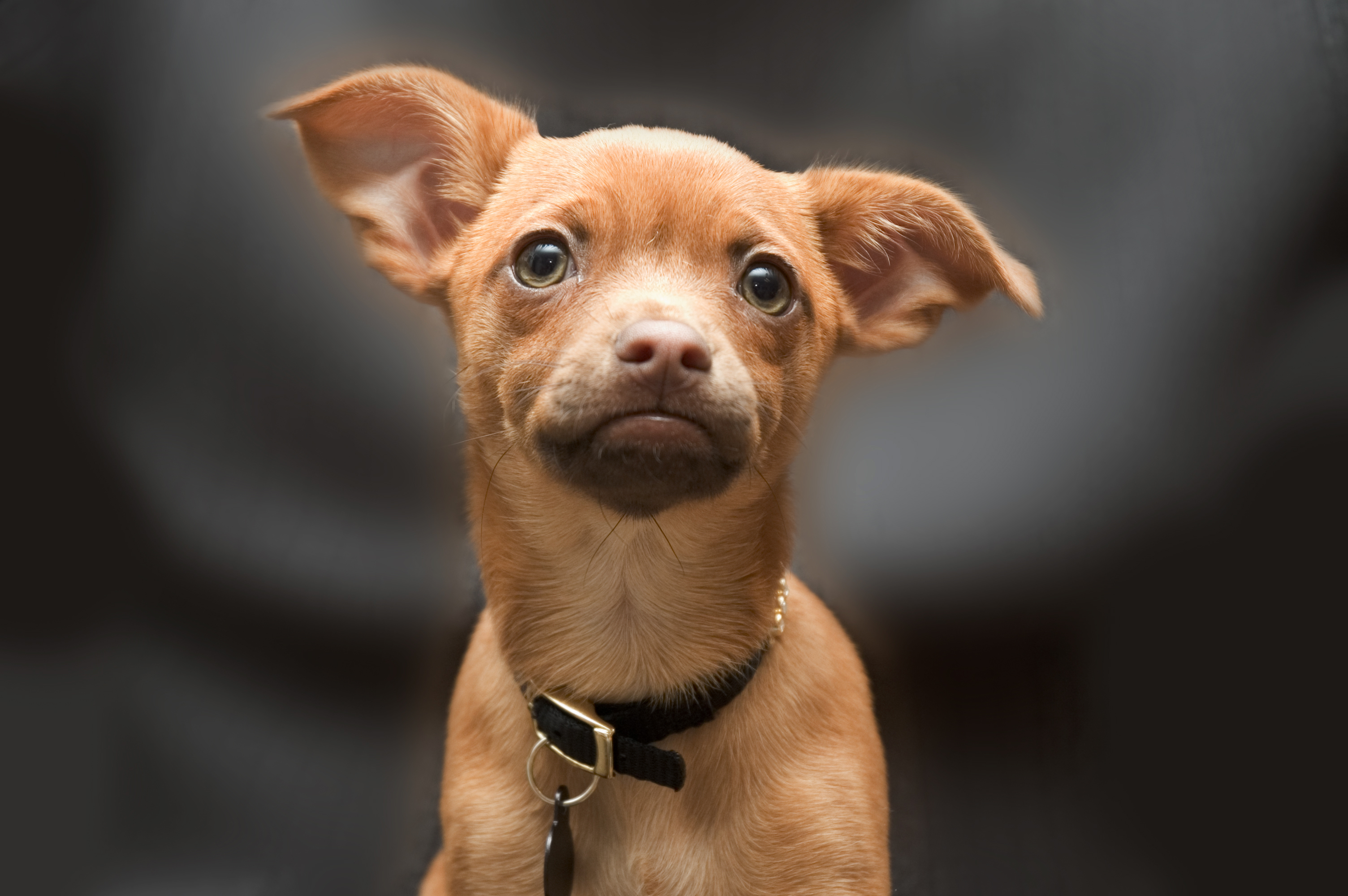
Chihuahua
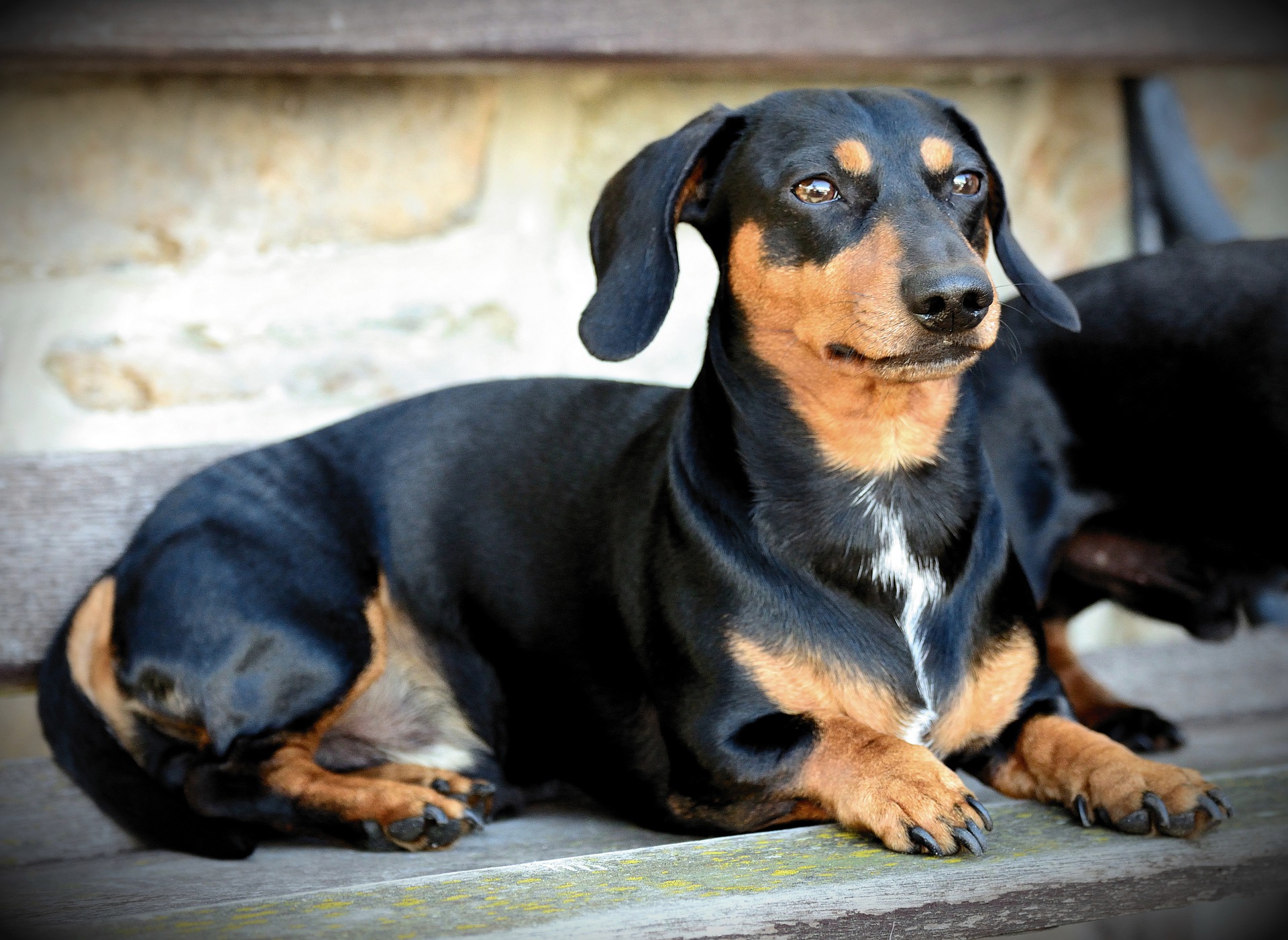
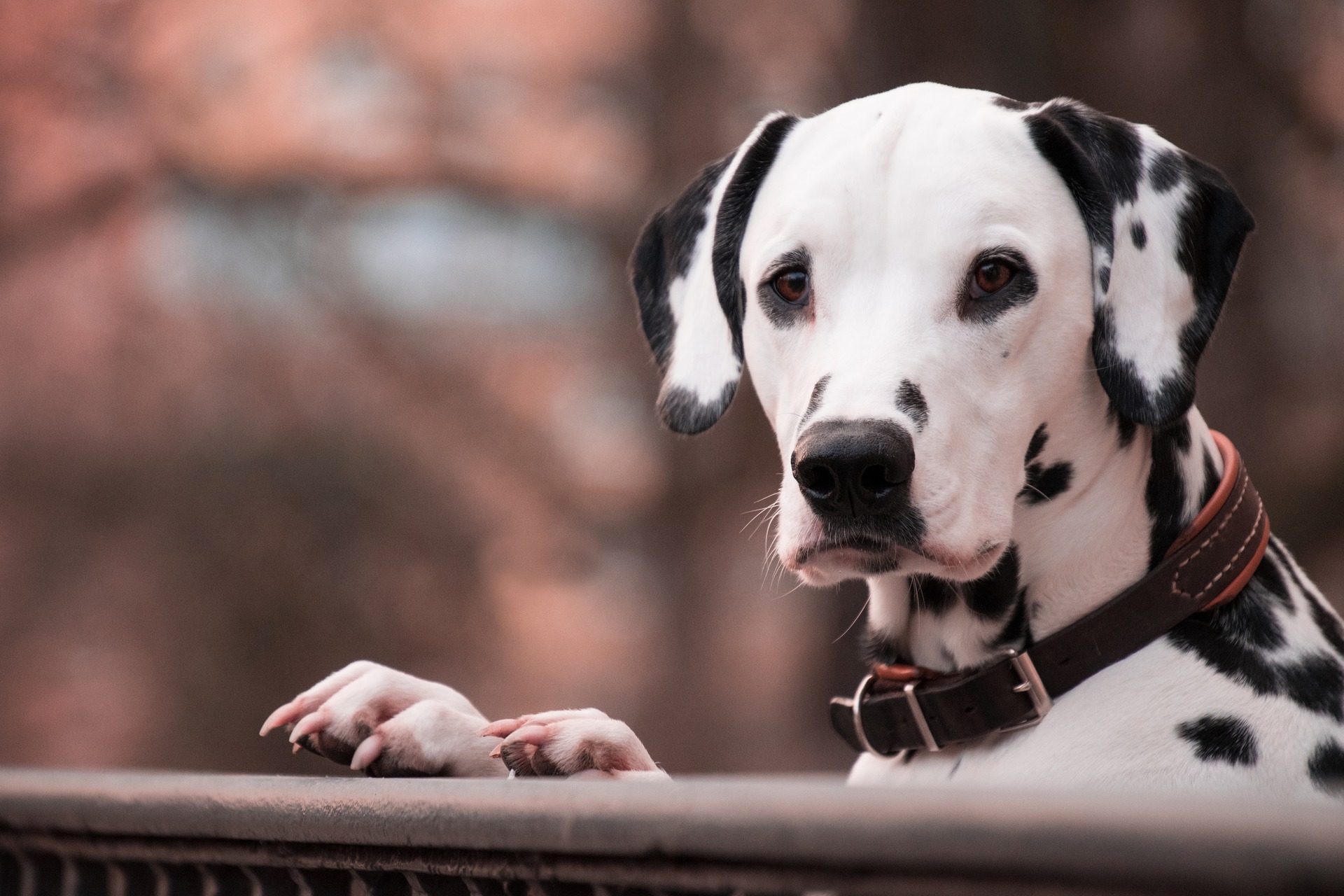
Dalmatian
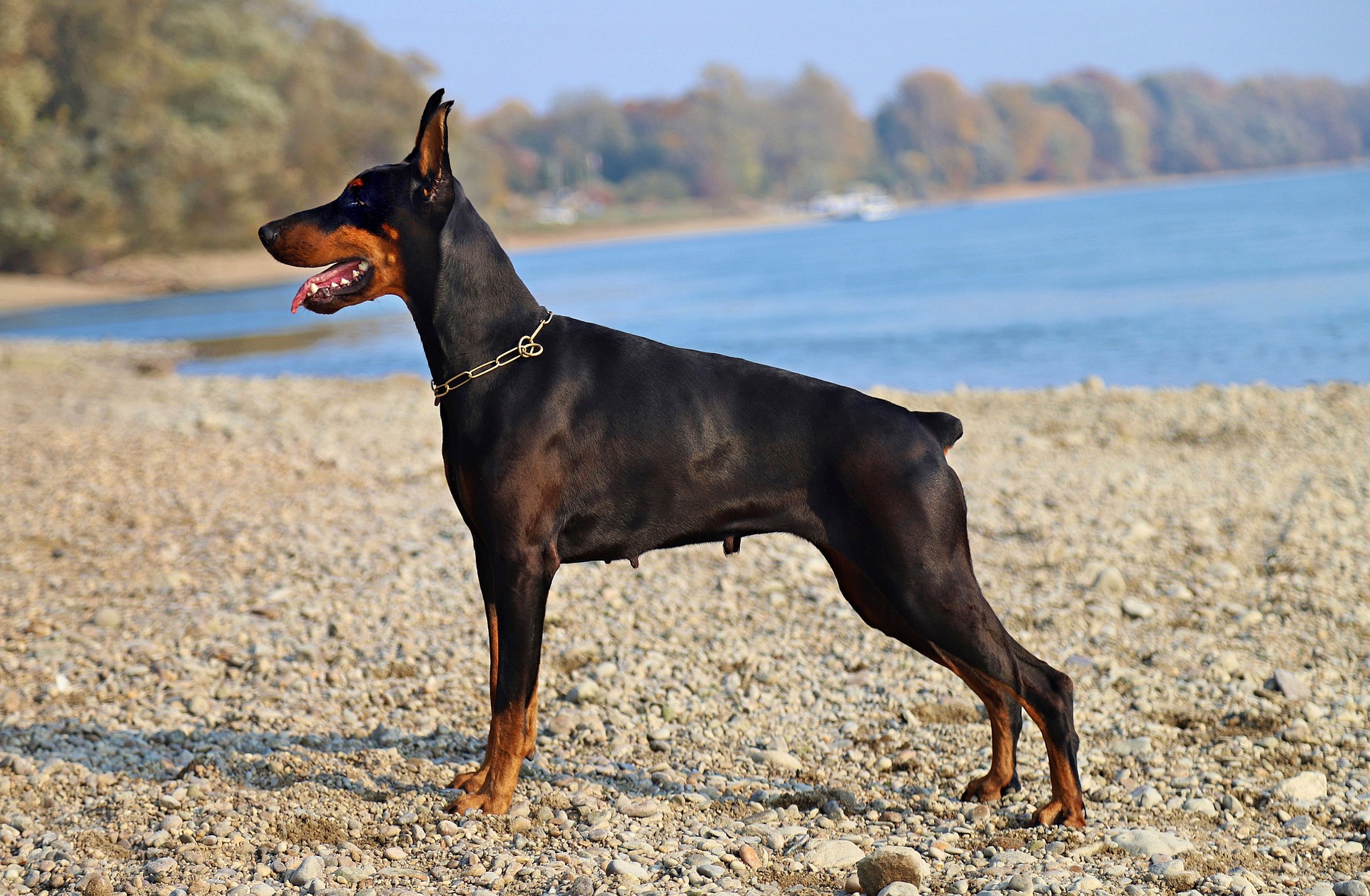
Doberman
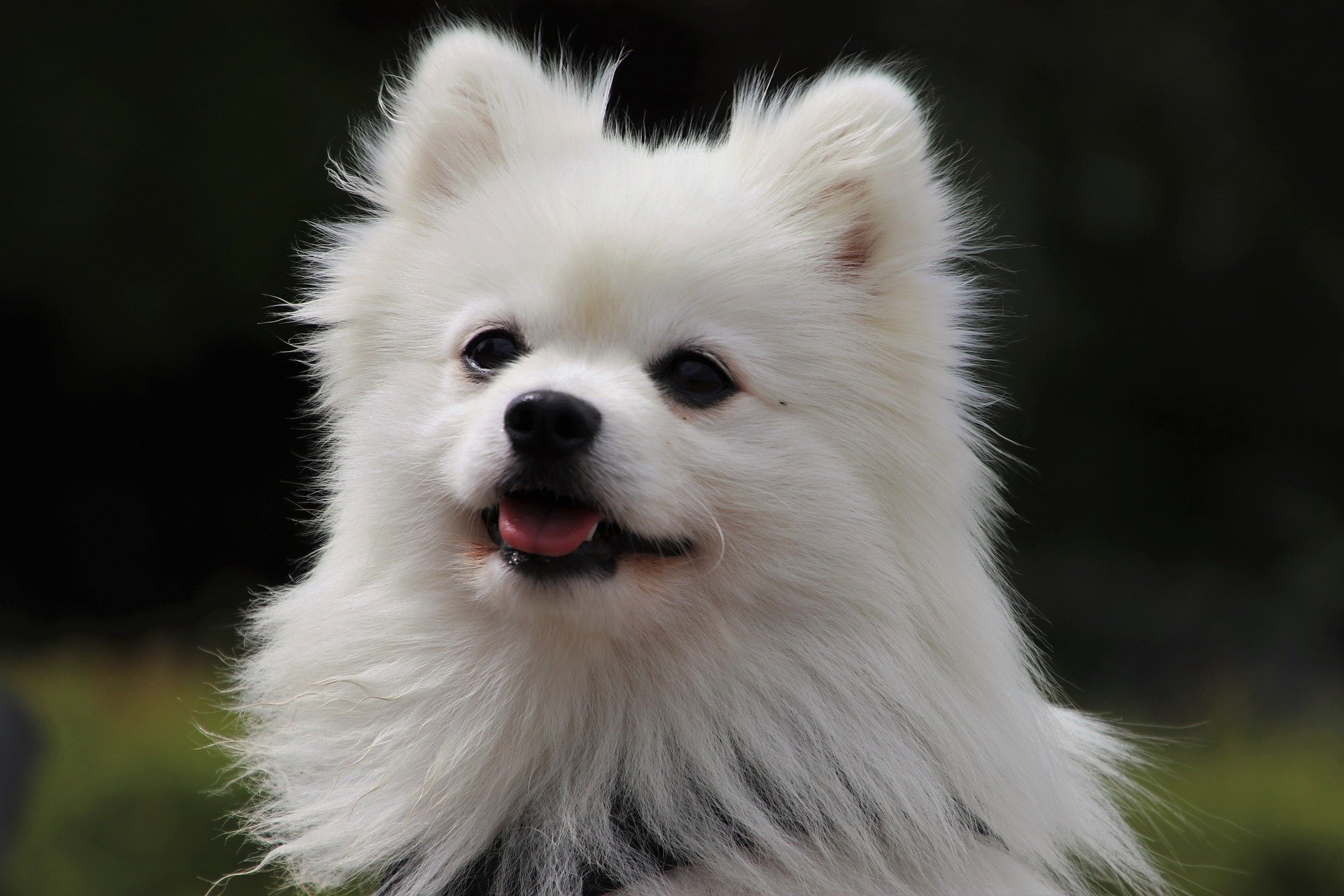
indian spitz
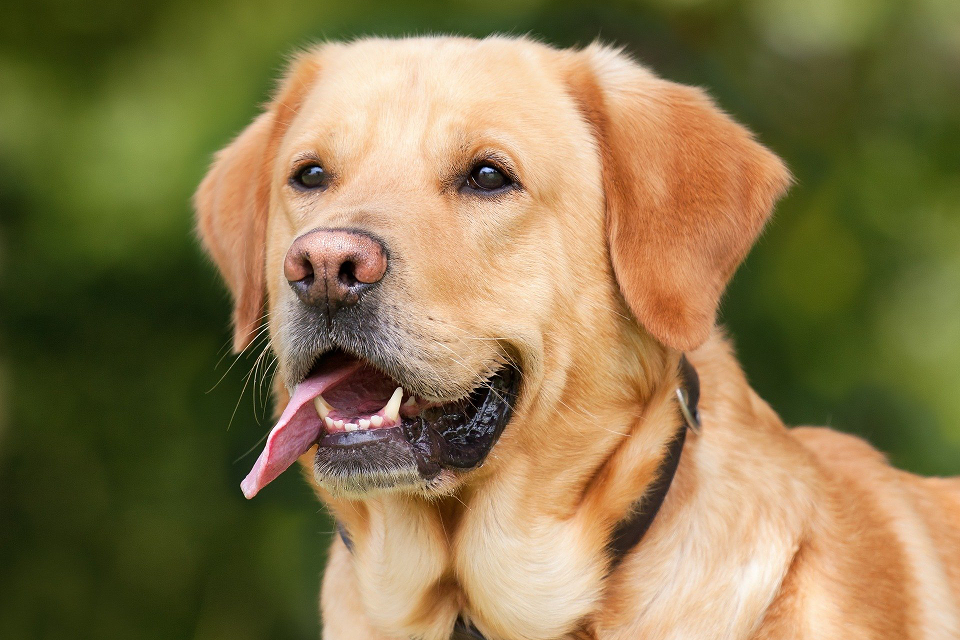
labrador
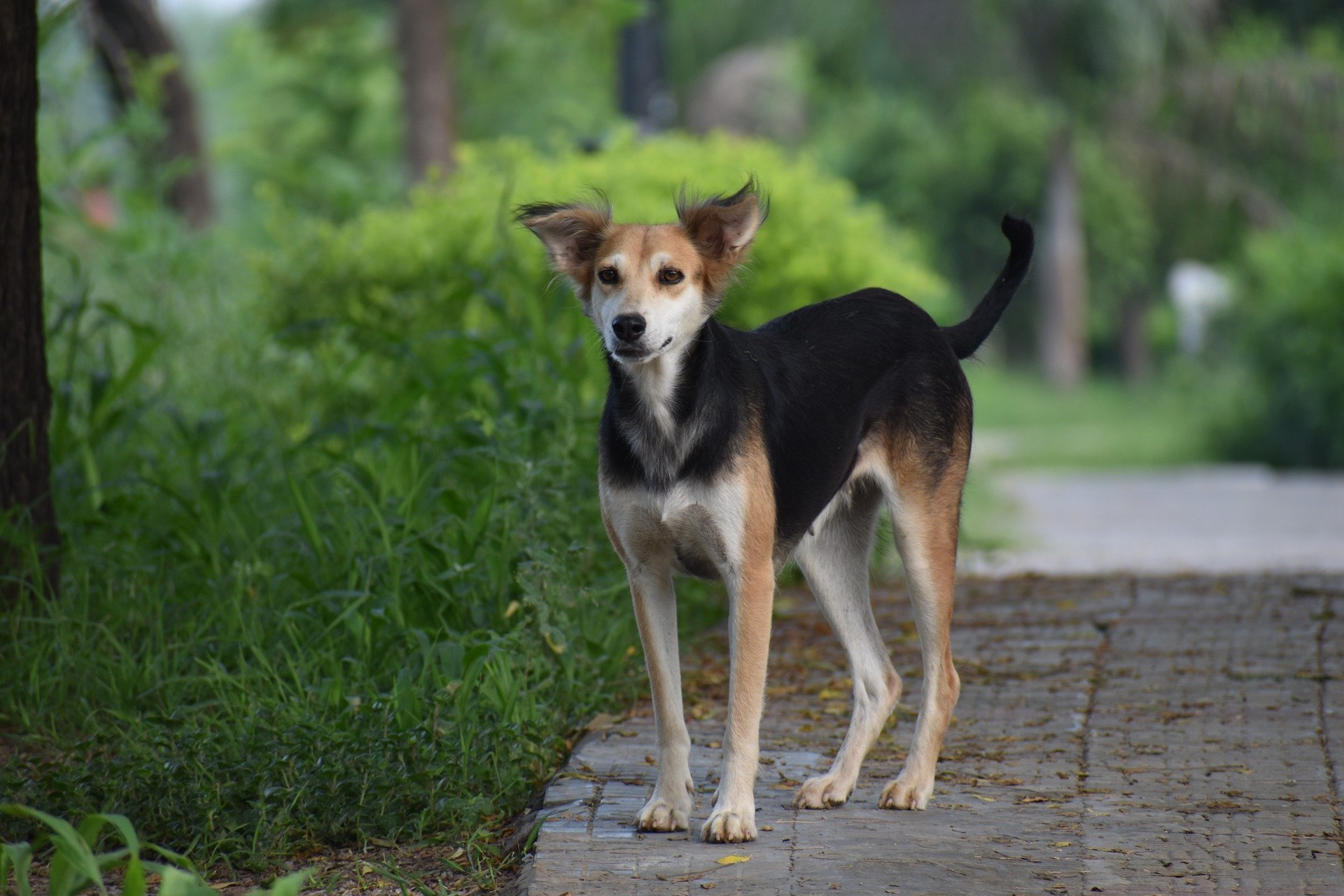
pariah
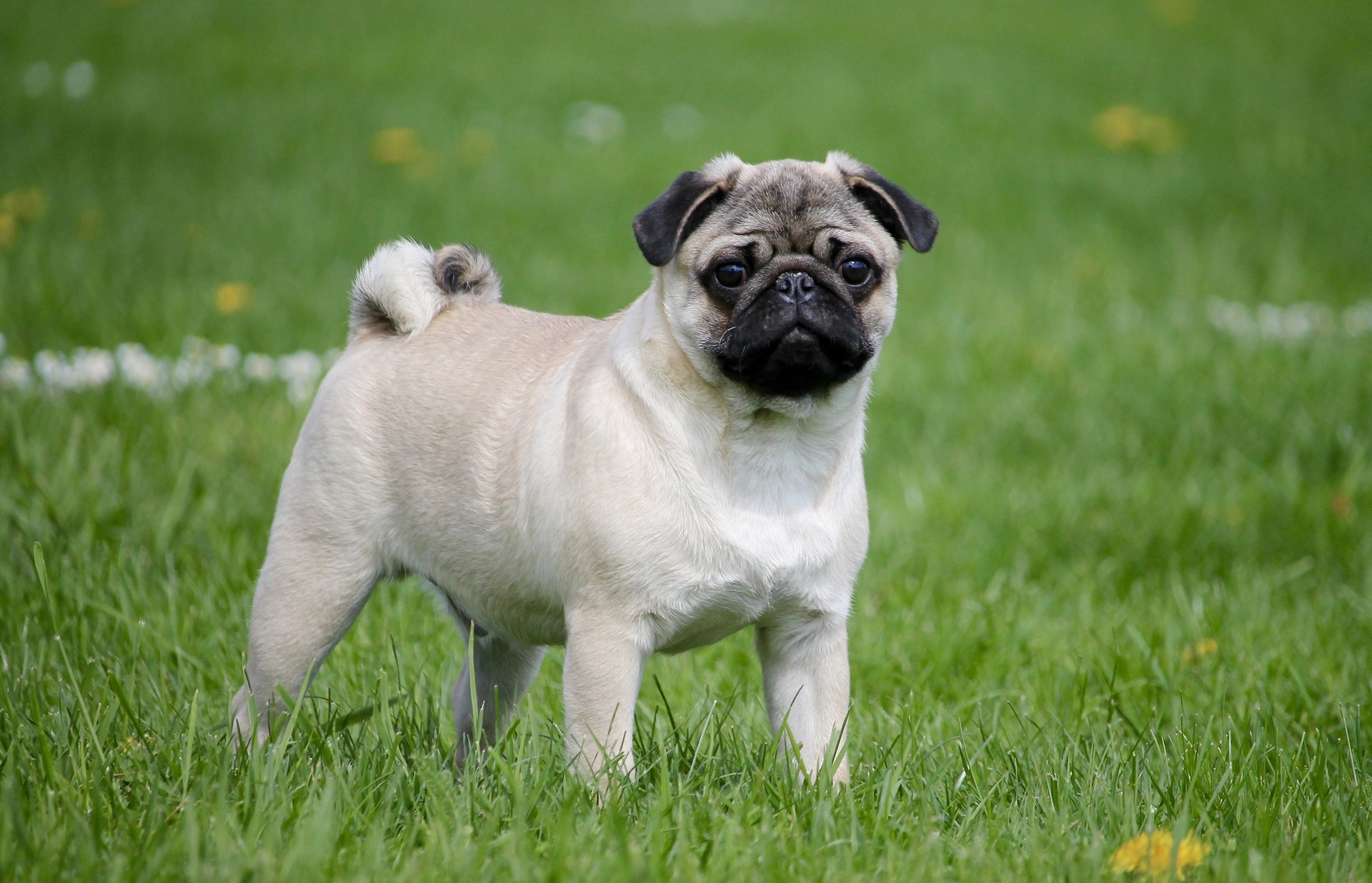
pug