Labrador
Labrador Puppies are one of the friendliest and most fun-loving dog breeds, with a sweet and lively disposition and an easy-to-train temperament.Originally,
the Labrador was used for fishing. Labrador retrievers are great family pets if you remember to give them enough exercise and training.
These are dogs that have been bred to work hard and enjoy having chores to do, especially retrieving.
As long as their natural energy has been toned down via training, labs are usually good with other dogs, other pets, and children.They are powerful dogs that require early obedience training or they will drag their owners down the street at will.
Labradors who are left alone or not well exercised can become destructive, chewing, digging, and barking excessively due to their energetic disposition.
The field line dogs are particularly energetic, yet some show line dogs develop into excellent couch potatoes at a young age.
Chewing can be an issue since they have an oral fixation because to the strong retrieve need.
Durable chew toys, exercise, and training can all help.
Energy Level: Very Active; This quick, energetic and compact hound dog needs plenty of exercise
Good with Children: Yes
Good with other Dogs: Yes
Shedding: Seasonal
Grooming: Weekly
Bitches 54–56 cm (21.5–22 in)
Weight Dogs 29–36 kg (65–80 lb)
Bitches 25–32 kg (55–70 lb)
Coat Short, dense, weather-resistant double coat
Colour Black, chocolate, or yellow (ranges from pale yellow to fox red)
Life span 12-14 years
The Labrador Retriever is a lively, high-energy breed that requires daily exercise.
To relieve pent-up energy, a Lab that does not get enough exercise is prone to indulge in hyperactive and/or destructive behaviour.
To relieve pent-up energy, a Lab that does not get enough exercise is prone to indulge in hyperactive and/or destructive behaviour.
Retrieving
and swimming are two of the breed's favourite activities. Labs also
like burning energy by participating in canine activities such as
agility,
obedience, tracking, and dock diving, as well as hunting
expeditions or field competitions. Many Labs also act as
search-and-rescue dogs, narcotics and explosives detection dogs, and
service and assistance dogs.
This intelligent breed is ideal for both young and old pet owners, since they adapt well and have a well-balanced temperament.
Labs are also simple to train. Labradors are easygoing, rewarding dogs with a lot of energy, so they like getting extra attention and exercise.
Due to their sensitive and affectionate disposition, they make ideal companions and service dogs. Labradors get along nicely with both single owners and family members, as well as youngsters and other pets. They are vivacious, typically placid, and thrive in the fast pace of modern life.
Labs are also simple to train. Labradors are easygoing, rewarding dogs with a lot of energy, so they like getting extra attention and exercise.
Due to their sensitive and affectionate disposition, they make ideal companions and service dogs. Labradors get along nicely with both single owners and family members, as well as youngsters and other pets. They are vivacious, typically placid, and thrive in the fast pace of modern life.
The Labrador Retriever should do well on a high-quality dog food, whether
commercially manufactured or home-prepared with your veterinarian's
supervision and approval. Any diet should be appropriate to the dog's
age (puppy, adult, or senior). Some dogs are prone to getting
overweight, so watch your dog's calorie consumption and weight level.
Treats can be an important aid in training, but giving too many can
cause obesity. Learn about which human foods are safe for dogs, and
which are not. Check with your vet if you have any concerns about your
dog's weight or diet. Clean, fresh water should be available at all
times.
The Labrador has a thick,
water-repellant double coat that sheds. Give occasional baths to keep
them clean.
As with all breeds, the Lab's nails should be trimmed
regularly and his teeth brushed frequently.
Weekly grooming with a comb or bristle brush, and bathing when needed, can help keep shedding under control.
It
might be worth brushing your dog daily when they’re shedding to ensure
you get rid of the loose hair.
You may want to invest in a good quality
vacuum. Always examine their body and look for parasites or skin lumps.
Do you want to share about your pet on our website?
Tell us about your pet dog's characteristics, and we'll post them on our website.
If you have any questions for us, please leave them in the comments section.
Browse More popular Dog Breeds & Characteristics
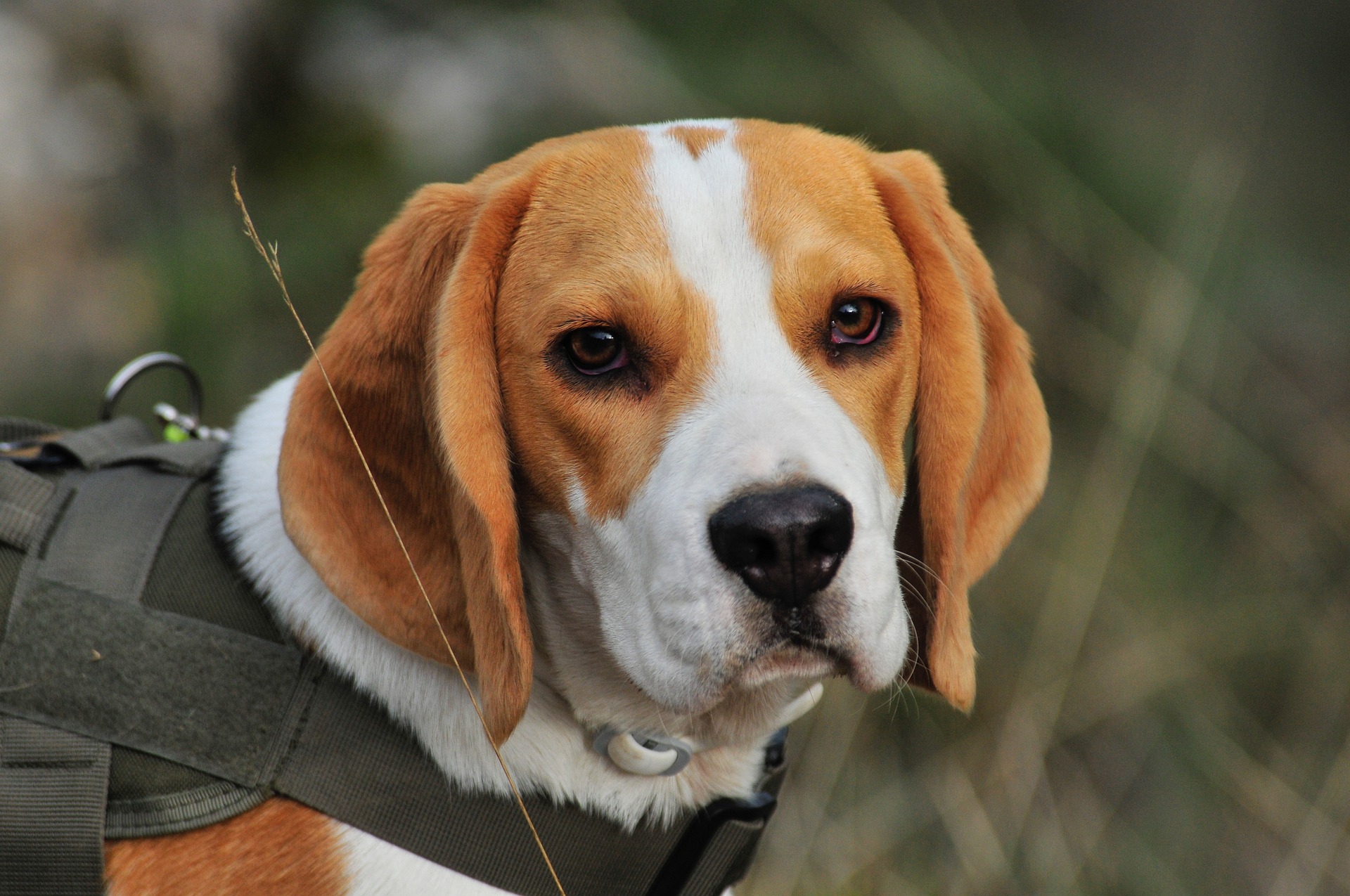
Beagle
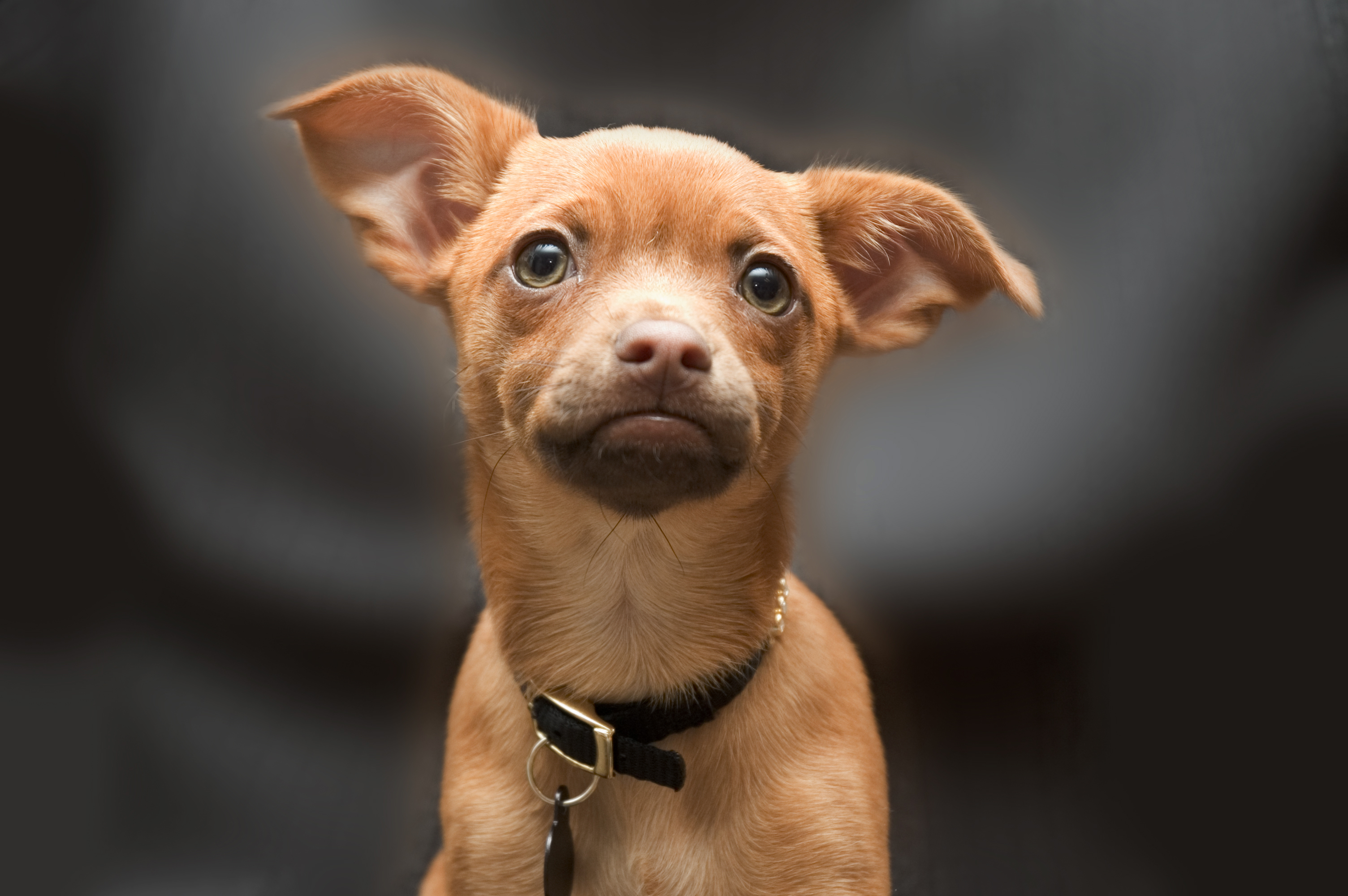
Chihuahua
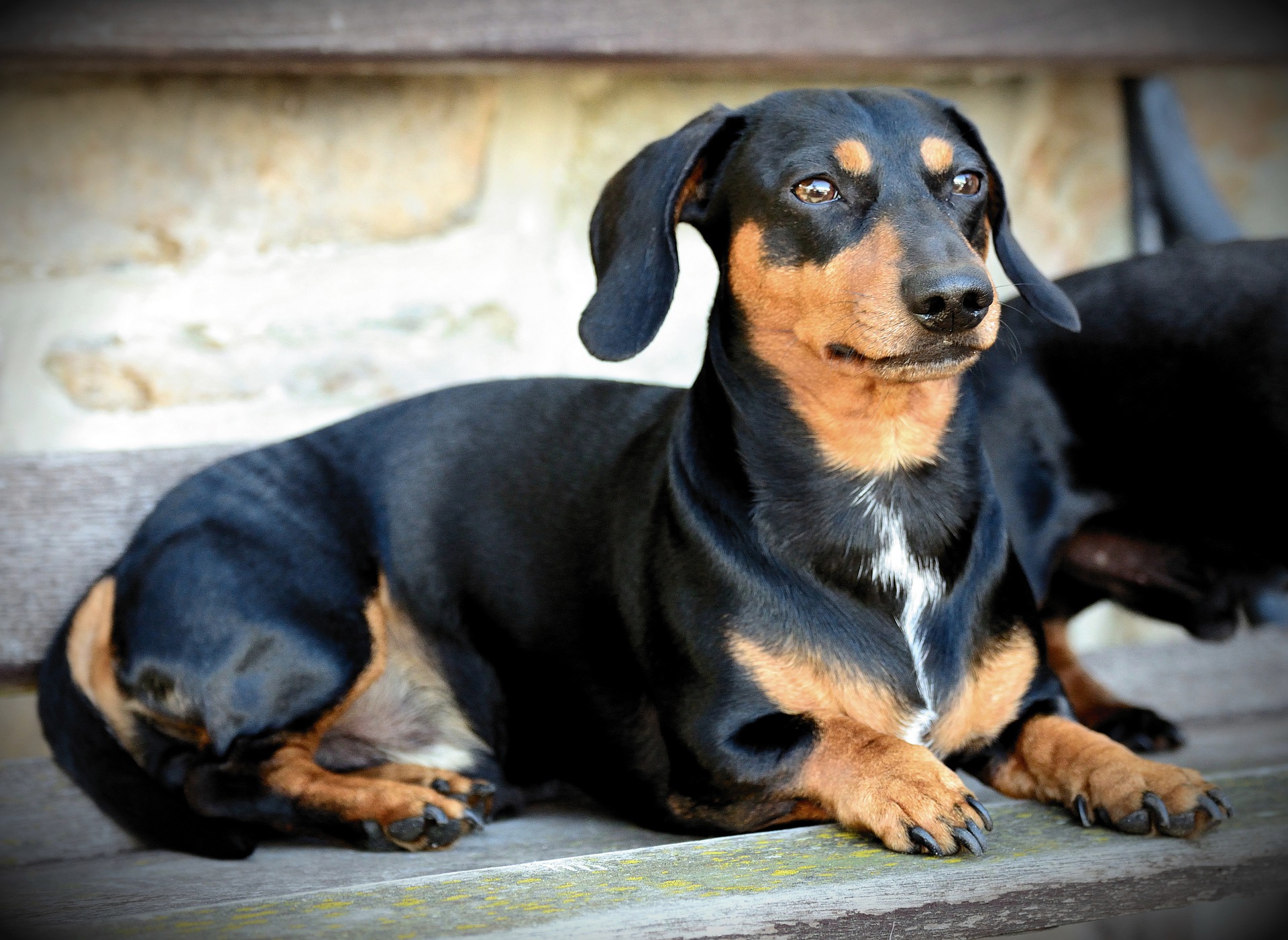
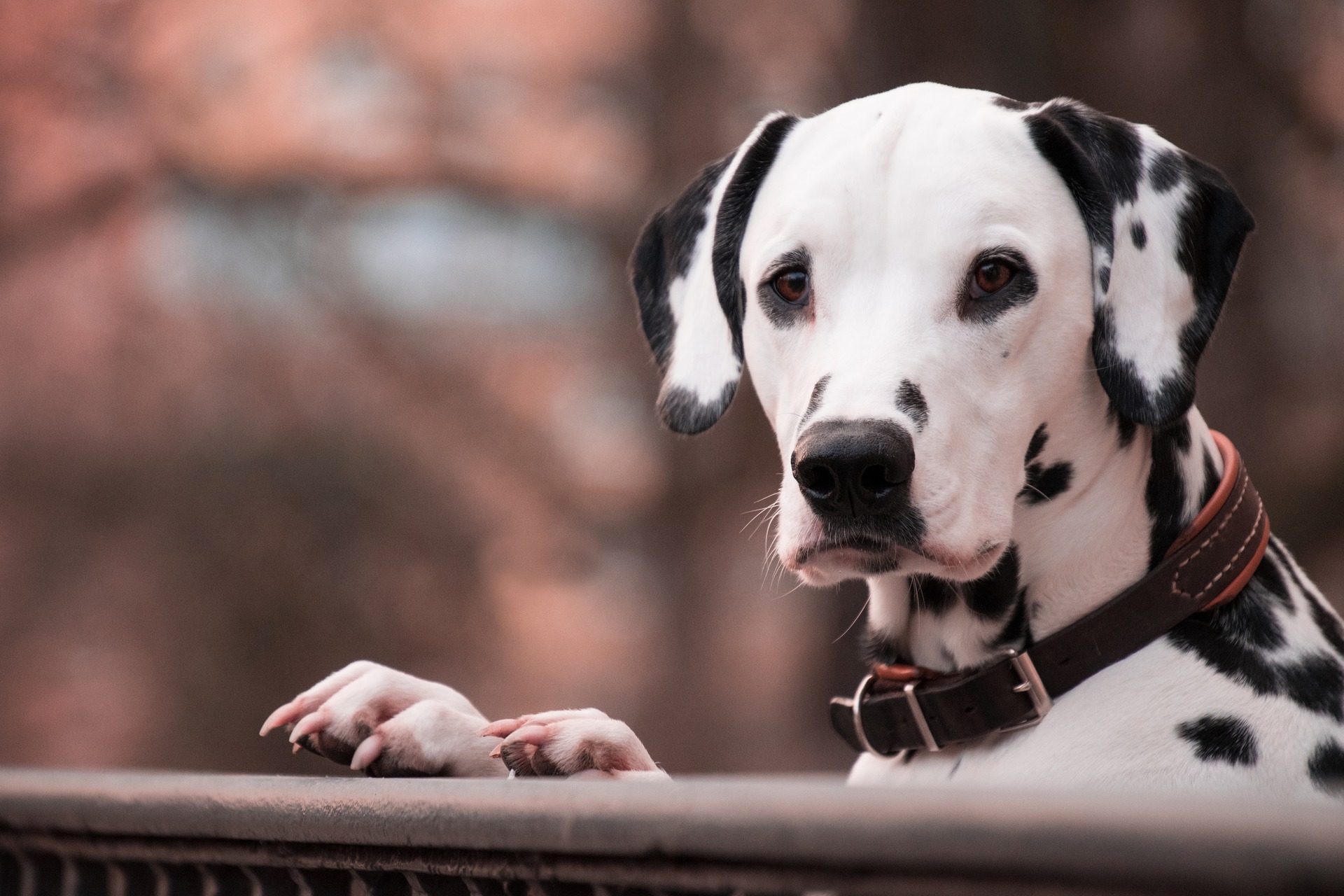
Dalmatian
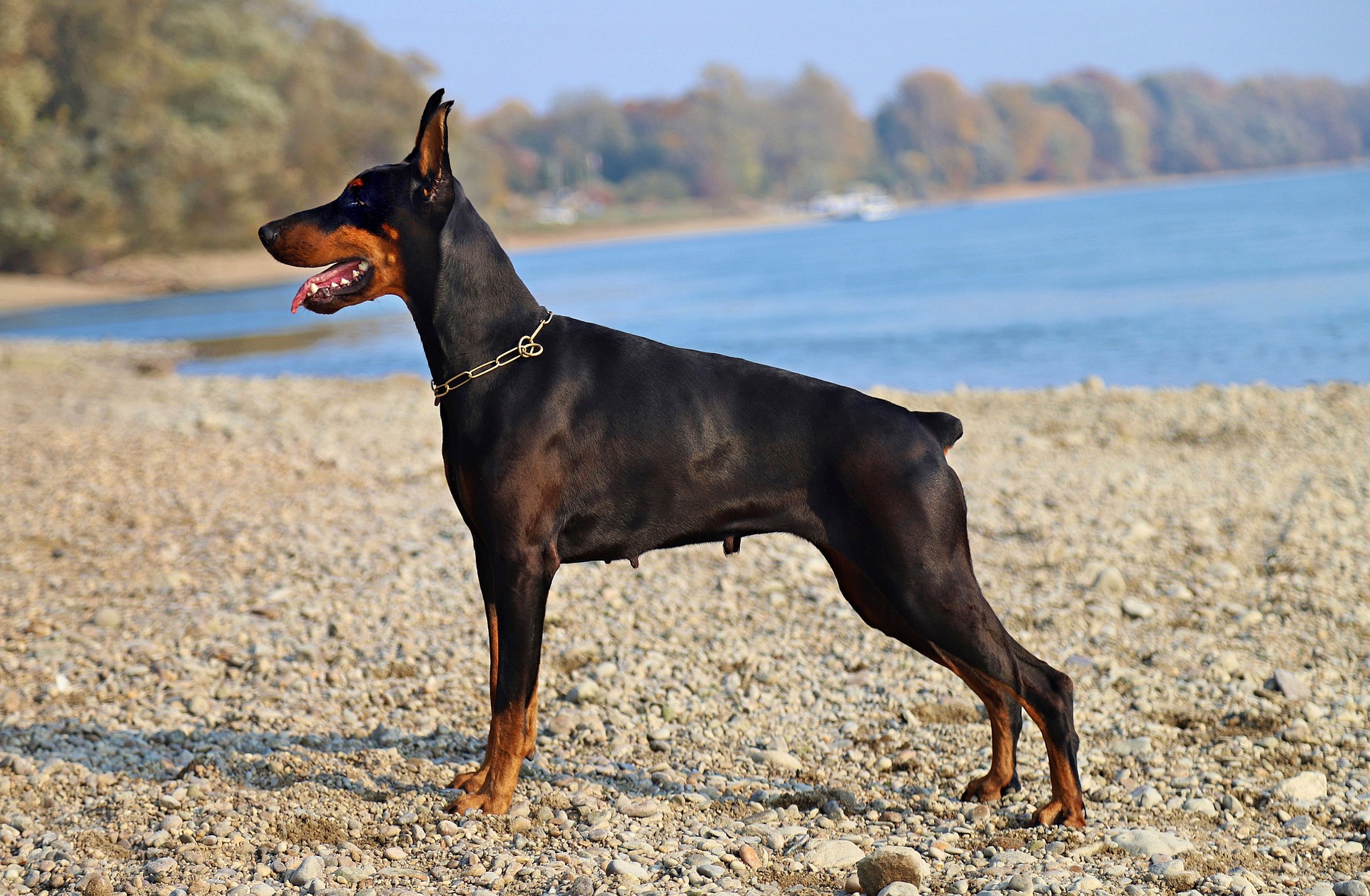
Doberman
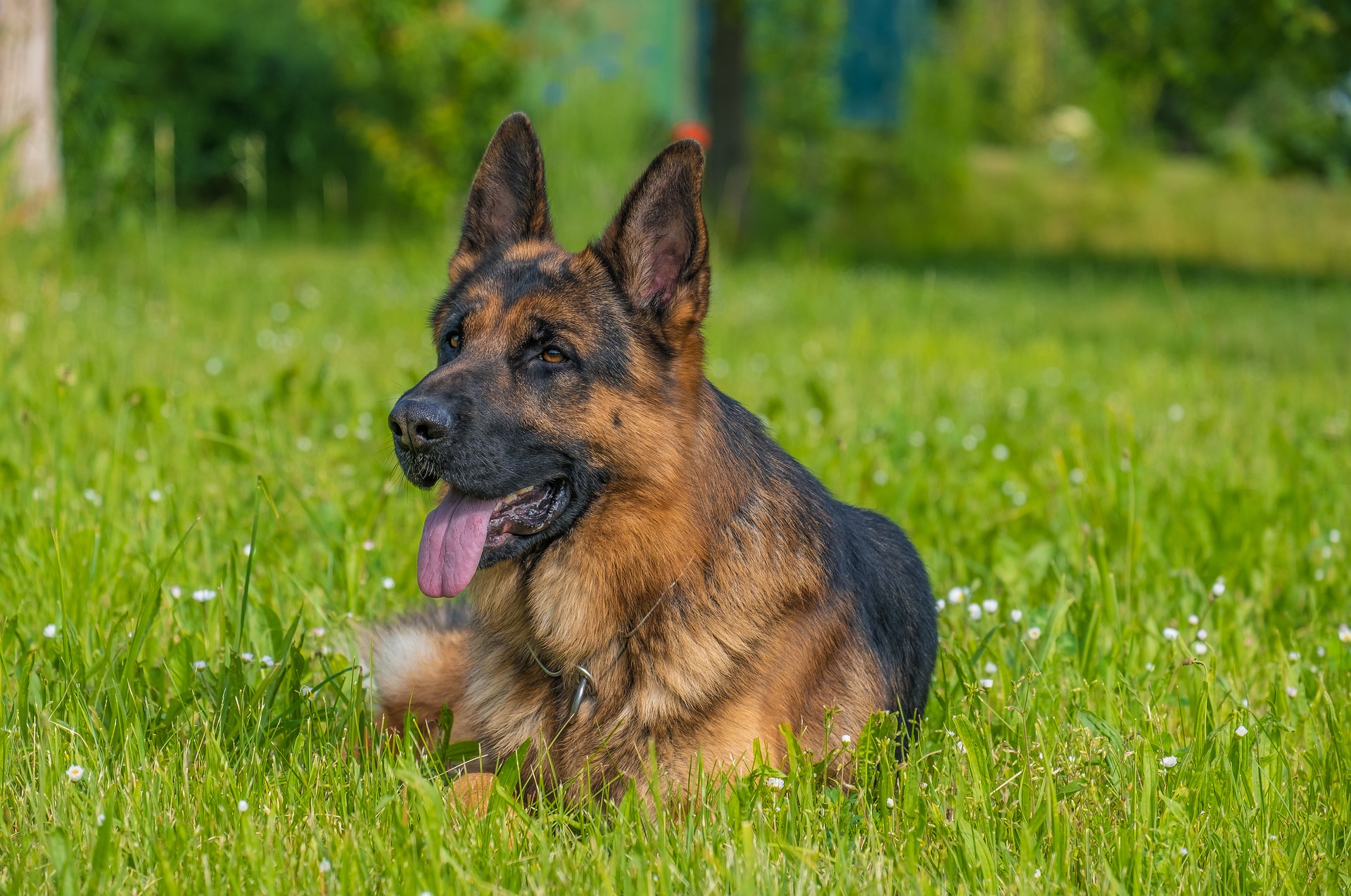
German Shepherd
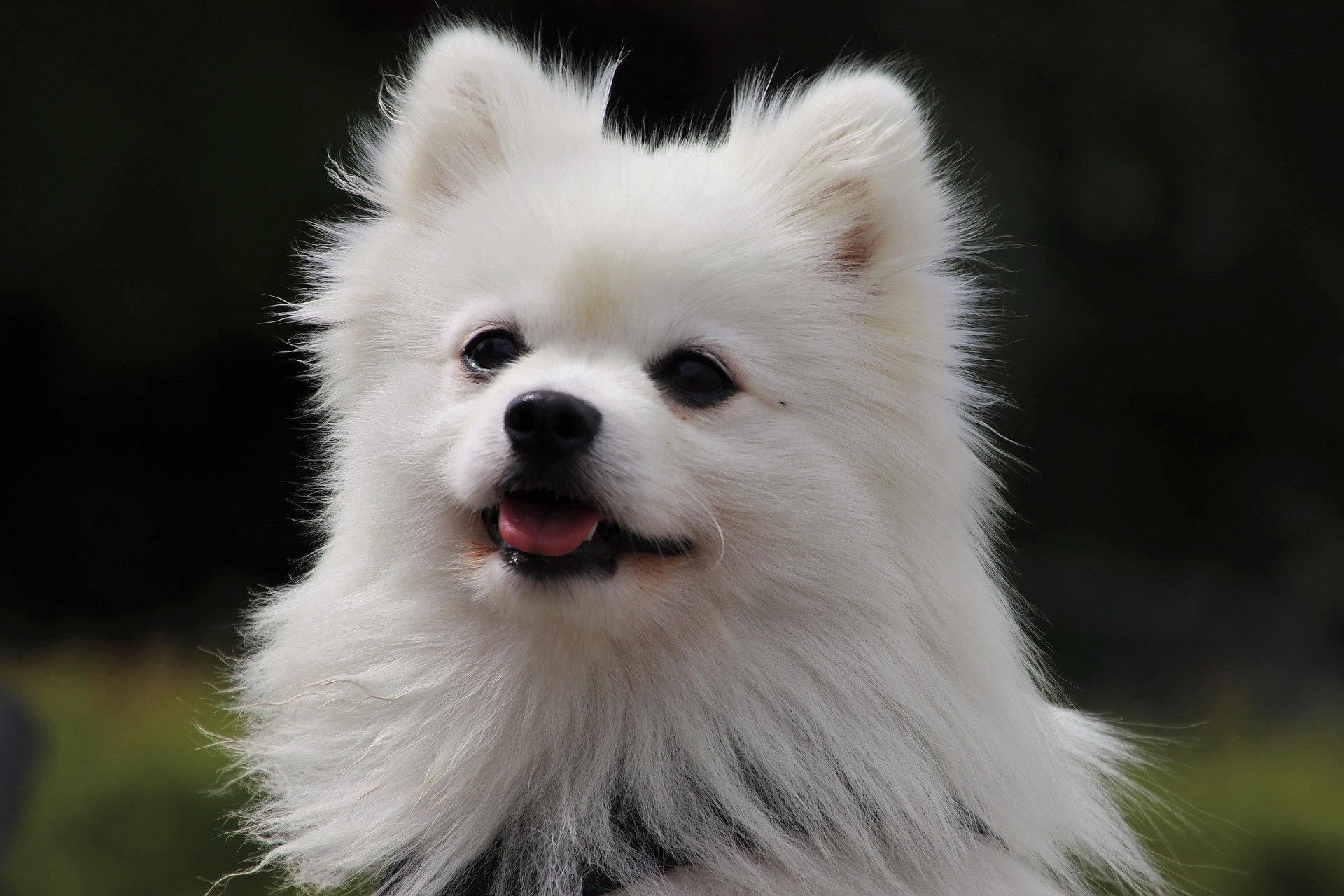
Indian Spitz
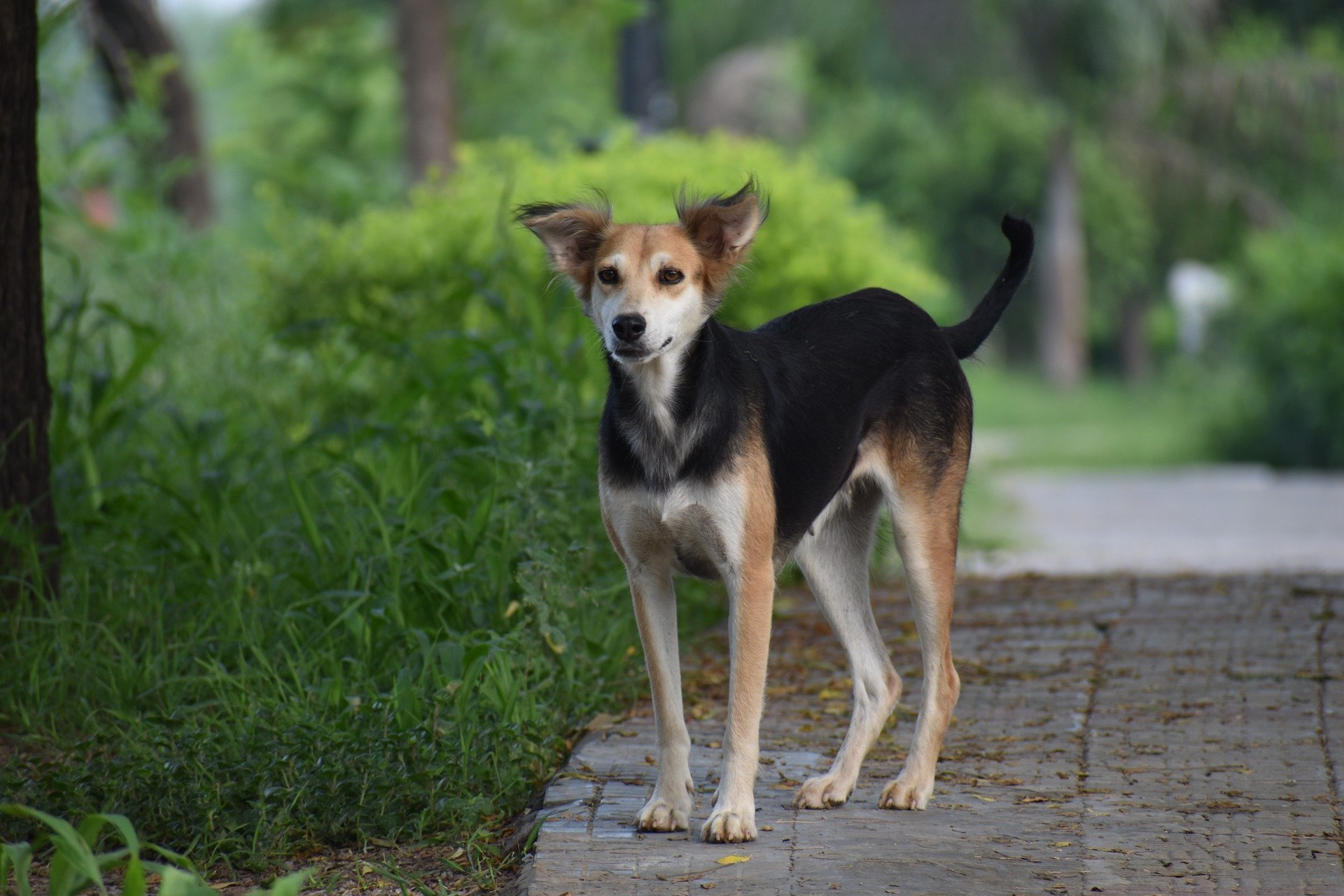
pariah
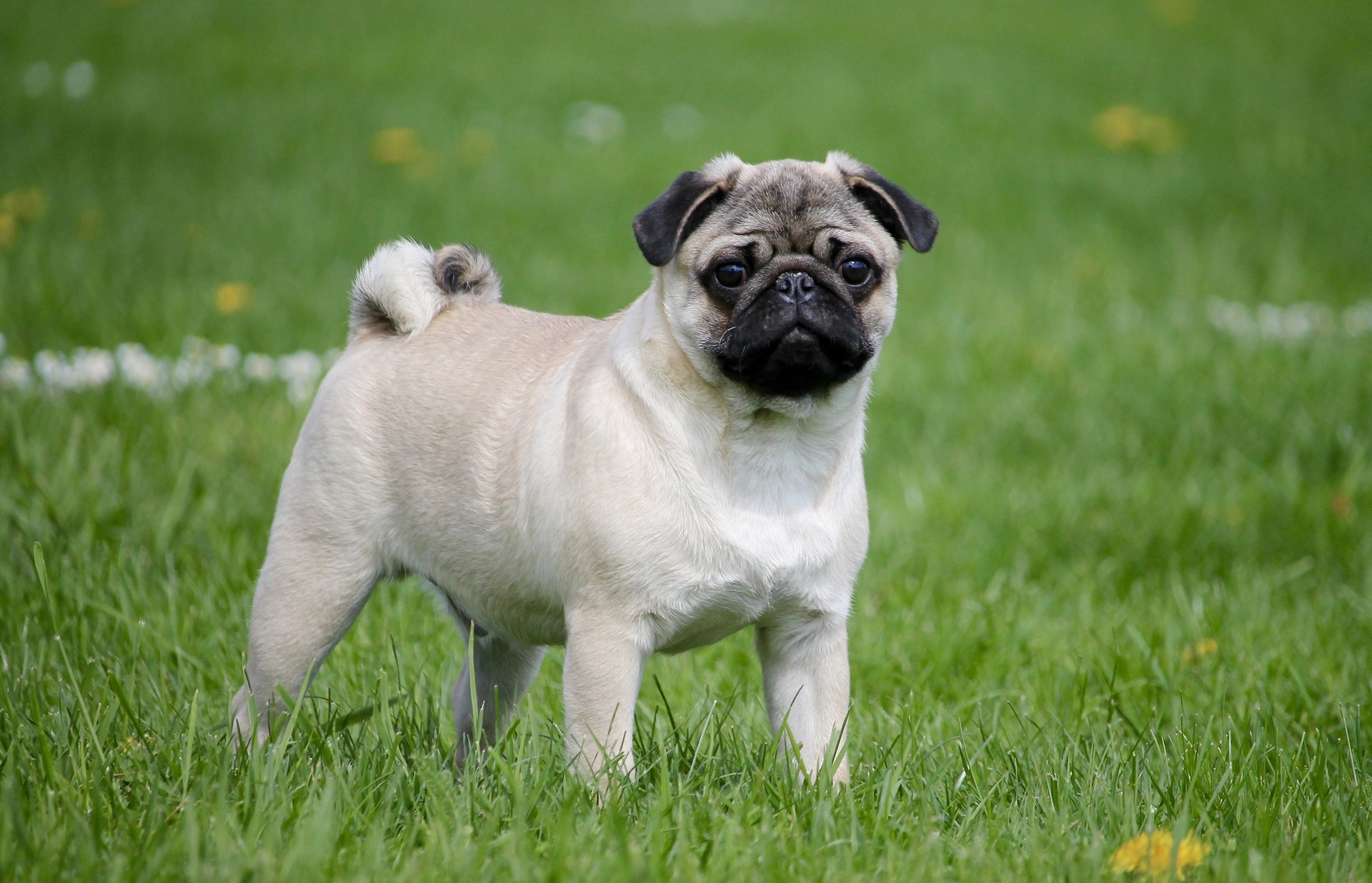
pug