The Himalayan sheepdog, also known as the Bhotia, Bangara, or Gaddi kutta in India and Nepal, and sometimes referred to as the Himalayan mastiff,
is a livestock guardian dog native to the Himalayas. From Eastern Nepal to Kashmir, the Himalayan Sheepdog can be found in the Himalayan foothills.
The Gaddi Kutta is a breed with a strong personality. They are imposing, standing around 34 inches tall and weighing nearly 13 stone.
They have a dark brown or black overcoat with lighter tan or brown patches on their face and underside.
Their tail curls back over the body and is very fluffy, similar to that of many Indian dogs and mastiffs. This is one of the characteristics that causes people to confuse a Tibetan Mastiff with a Tibetan Mastiff.
The Gaddi dog also has a thick undercoat and a solid mane.The colour of their eyes is amber.
They are a more elegant and composed dog than their larger cousin, with long legs and a slighter frame than a Tibetan Mastiff.
Lifespan: 10– 12 years (Adult)
Height: Male: 56–79 cm, Female: 51–7 cm
Colors: Fawn, Brindle, Piebald, Cream, Brown, Yellow
Weight: Male: 40–45 kg, Female: 35–40 kg
Daily Gaddi Kutta exercise is essential for keeping these large, athletic Mastiffs healthy, happy, and peaceful.
Depending on its age and overall activity level, an adult Gaddi Kutta will require about an hour of daily exercise.
When your Gaddi Kutta is indoors, it's a good idea to provide him with one or more balls or chew-toys so he can burn off some of his pent-up energy.
Because Gaddis are both intelligent and protective, finding appropriate daily activities for them can be difficult; while they require and enjoy long daily walks, they can be
difficult around other people and animals, so walking in a remote area is best. It almost goes without saying that a trip to the neighbourhood dog park is not recommended!
Any farm work or similar activities are ideal for Gaddis, who have a history as herding dogs.
Depending on its age and overall activity level, an adult Gaddi Kutta will require about an hour of daily exercise.
Starting at three months of age, you can begin exercising a Gaddi puppy by taking it on short (10-minute) leashed walks, gradually increasing the length and frequency of the
walks as the puppy grows. It's also a good idea to obedience-train a Gaddi puppy during leashed walks: instead of allowing the puppy to lead, have him walk beside or behind you
on the leash from the start. This will establish you as the puppy's "pack leader," making future training easier as the puppy grows older.
When your Gaddi Kutta is indoors, it's a good idea to provide him with one or more balls or chew-toys so he can burn off some of his pent-up energy.
I
t's also a good idea to stick to a consistent daily exercise routine for the dog, such as walks after breakfast and dinner and an afternoon play session.
Gaddi Kutta of their size, they can easily scare people away, even when they are attempting to be affectionate, despite the fact that this is a very easygoing, calm,
and gentle dog breed. On the other hand, they can be extremely protective of their family and owners, as well as territorial over their home.
They were originally bred for hunting, but shepherds now use them to protect their goats and sheep.
Gaddi Kuttas are known for being strong enough to protect cattle from larger predators such as snow leopards, and they are not only responsible for guarding sheep, but they
also have a high level of intelligence and can herd lost sheep or goats back to their pens, just like other intelligent working dogs even the Gaddi Kuttas need daily stimulation of
their bodies and mind.
They are much more active than the Tibetan Mastiff. they will love if they have access to a big yard or garden because they were bred as outdoor dogs and they still love it this way.
I already said that this is very gentle and affectionate dog towards their family and if they are well socialized. they can make good companions for children but I would always supervise them with younger kids because they can harm them without even realizing it.
Gaddi dog nutrition is critical for keeping these dogs healthy, fit, and long-lived. Because Gaddi Kuttas are large, muscular, and athletic,
they'll require a diet rich in animal proteins and carbohydrates for energy, as well as omega fatty acids for coat and skin health.
A raw diet consisting of lean meats, fresh fruits and vegetables, eggs, fish, and other protein sources is ideal for a Gaddi, but many owners find such a diet to be too expensive
and time-consuming for their dogs. Premium dry food, especially that made for large breeds, is the most popular and sensible choice among owners. Premium food,
while more expensive and difficult to come by, will provide plenty of the nutrients mentioned above which a Gaddi will require to remain healthy.
Gaddi Kutta owners are advised not to feed their dogs only cheap, generic dog food, as it lacks the nutritional ingredients necessary to keep a Gaddi Kutta alive for the rest of its life, and may even shorten the dog's lifespan. And how much of this high-end food does a Gaddi require on a daily basis,
There's a lot of it, but not nearly as much as you might think.
Dogs of this breed have evolved by eating less food per day on average than dogs of similar large breeds over centuries of living in relatively poor, harsh conditions.
Depending on its age, size, and activity level, an adult Gaddi Kutta will require 4-4112 cups of food per day, divided into two meals.
A Gaddi puppy will require 212-3 cups per day, divided into three meals (not two) until it is six months old, depending on its age.
Feeding a young Gaddi large-breed puppy food for the first nine months is a good idea.
The Gaddi hails from the Himalayan region, where staying warm necessitates a thick, long coat.
As a result, they have a long, thick fur coat that sheds frequently. In addition to basic grooming, grooming will require regular brushing and dealing with shedding.
The Gaddi Kutta necessitates a significant amount of grooming. Professional grooming of the dog's hair can be beneficial at times.
The coat of a regularly brushed dog is less likely to shed. To avoid infections, clean your ears and eyes frequently. Don't forget about the flea treatment for the season. It's
important to give your dog a bath and trim his nails on a regular basis.
Check your local pet store for dog grooming supplies and the best dog shampoo to keep your Gaddi Kutta's
coat healthy and to give him a relaxing bath.If you don't have the time, skill, or money to care for your Gaddi Kutta, find a local dog groomer or clipping service.
Indian Breeds
Chippiparai
Bully Kutta
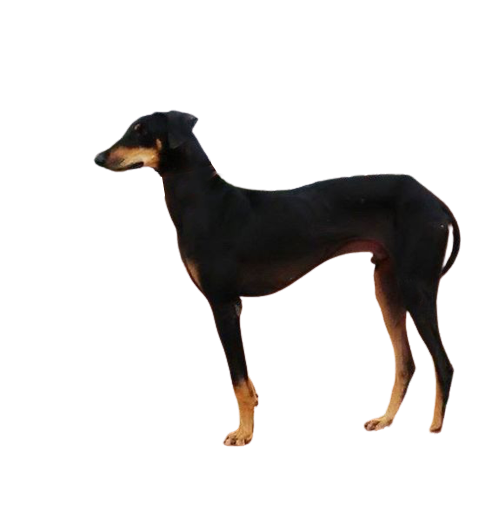
Kanni
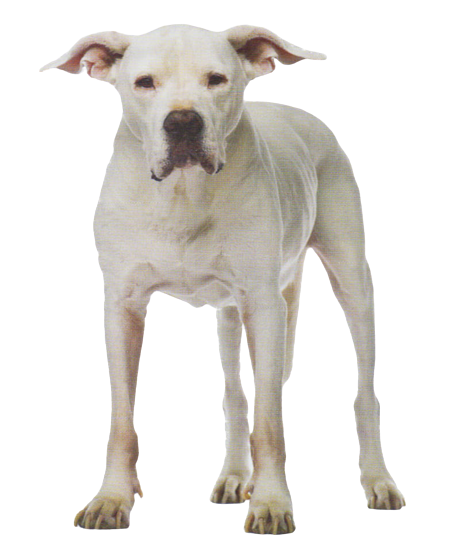
Gull Dong
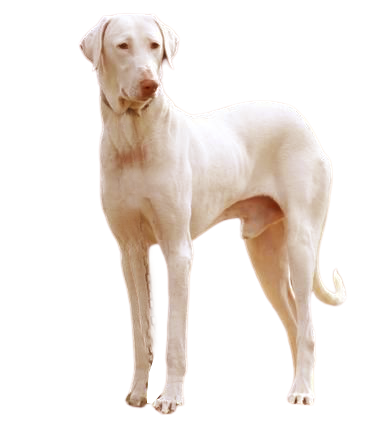
Rajapalayam
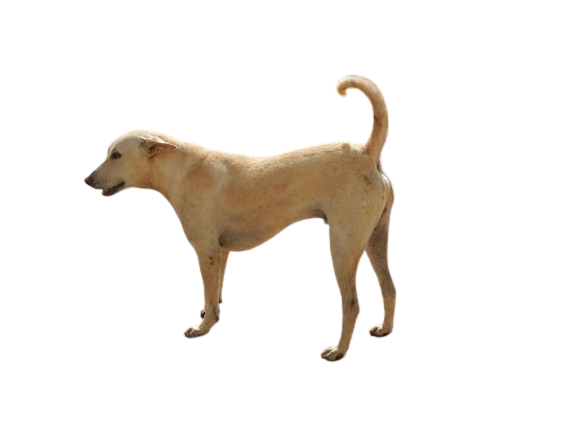
Pandikona
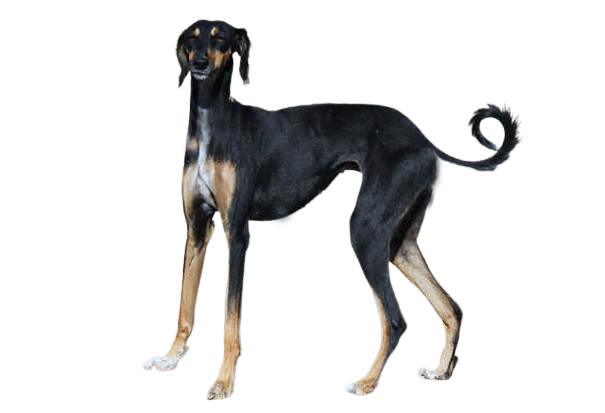
Mahratta Greyhound
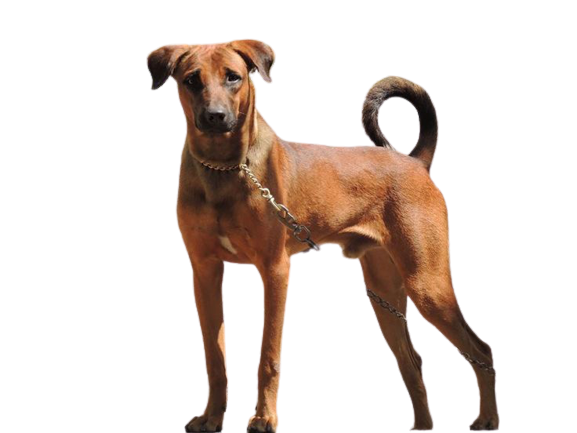
Kombai
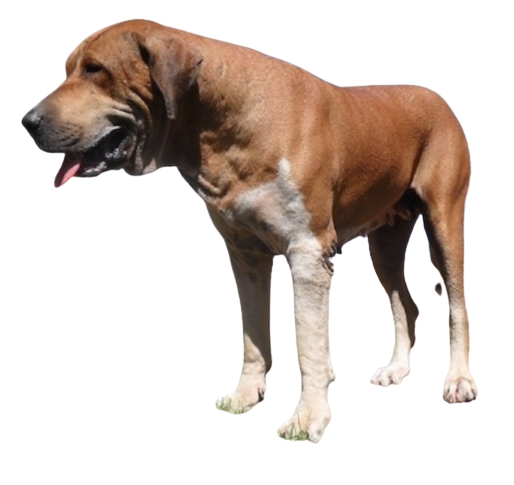
Kumaon Mastiff
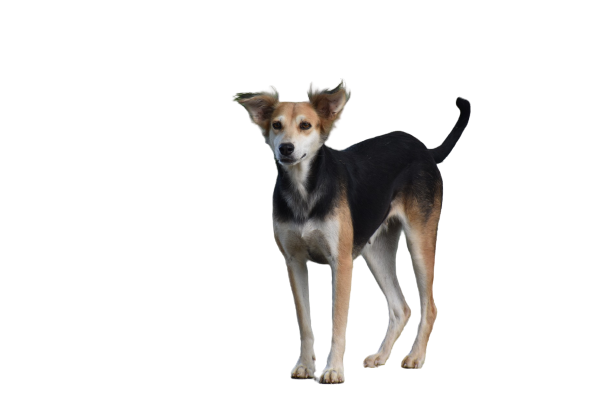
Pariah
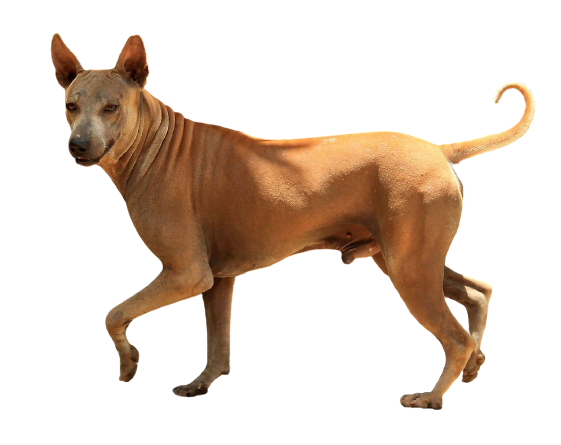
Jonangi
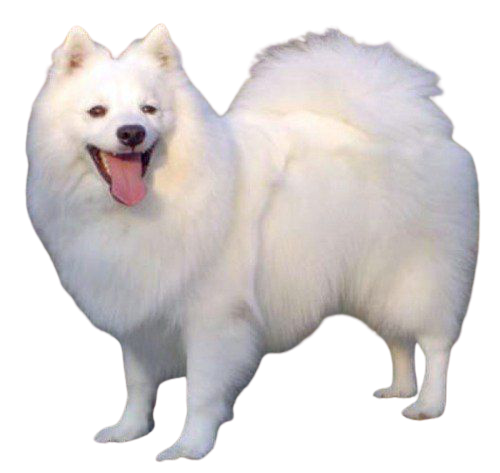
Indian Spitz
Do you want to share about your pet on our website?
Tell us about your pet dog's characteristics, and we'll post them on our website.
If you have any questions for us, please leave them in the comments section.
Browse More popular Dog Breeds & Characteristics
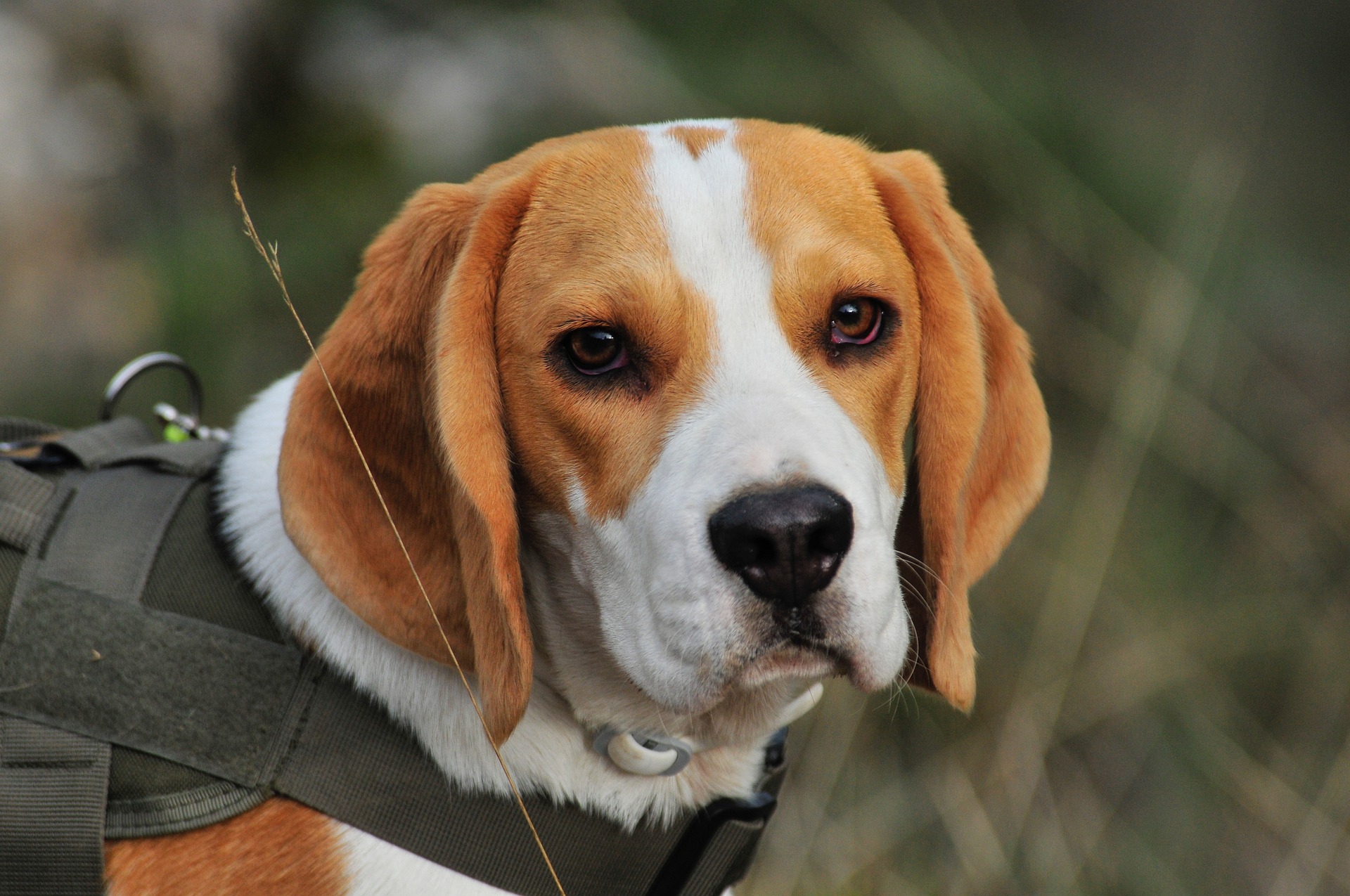
Beagle
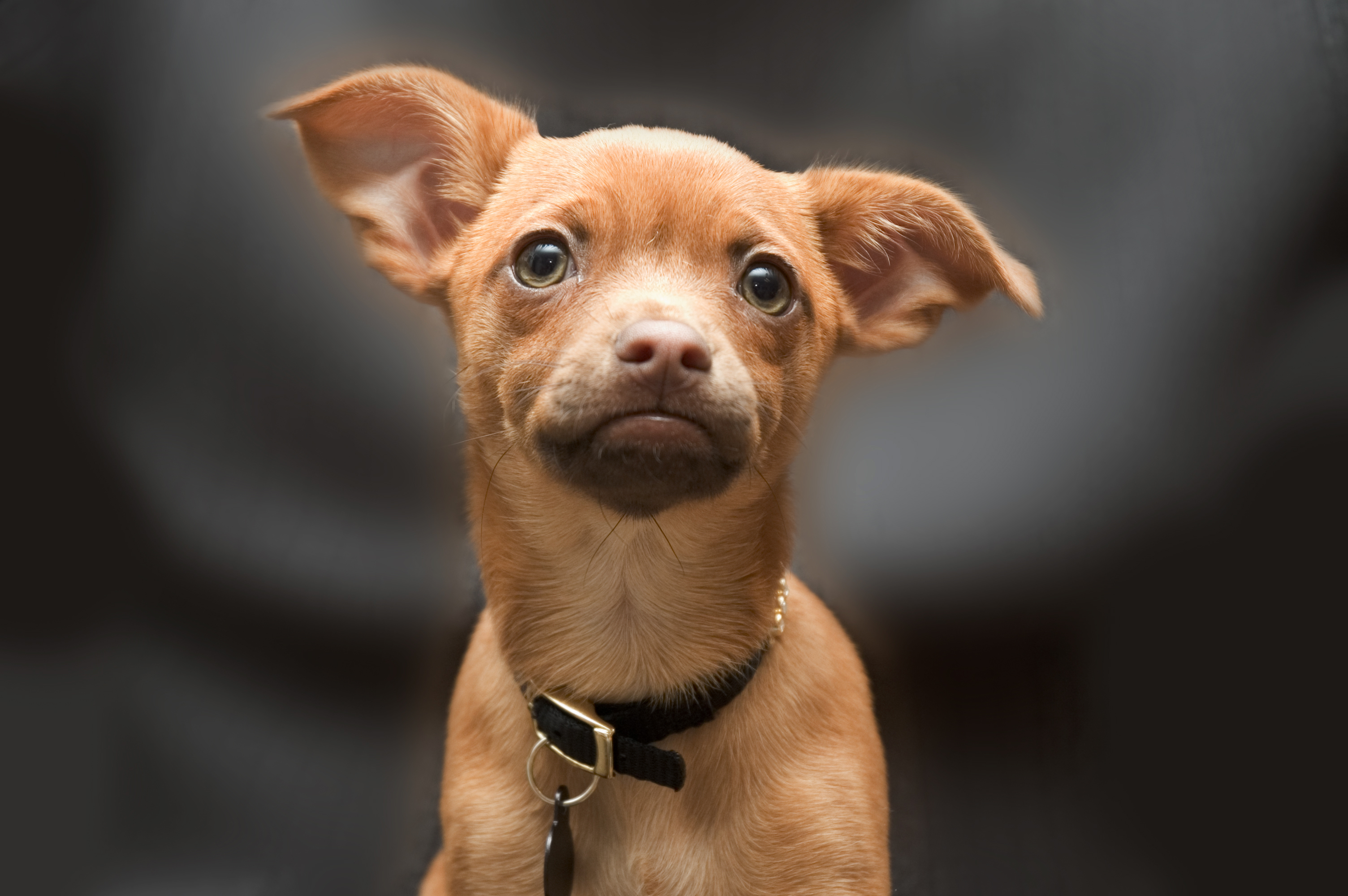
Chihuahua
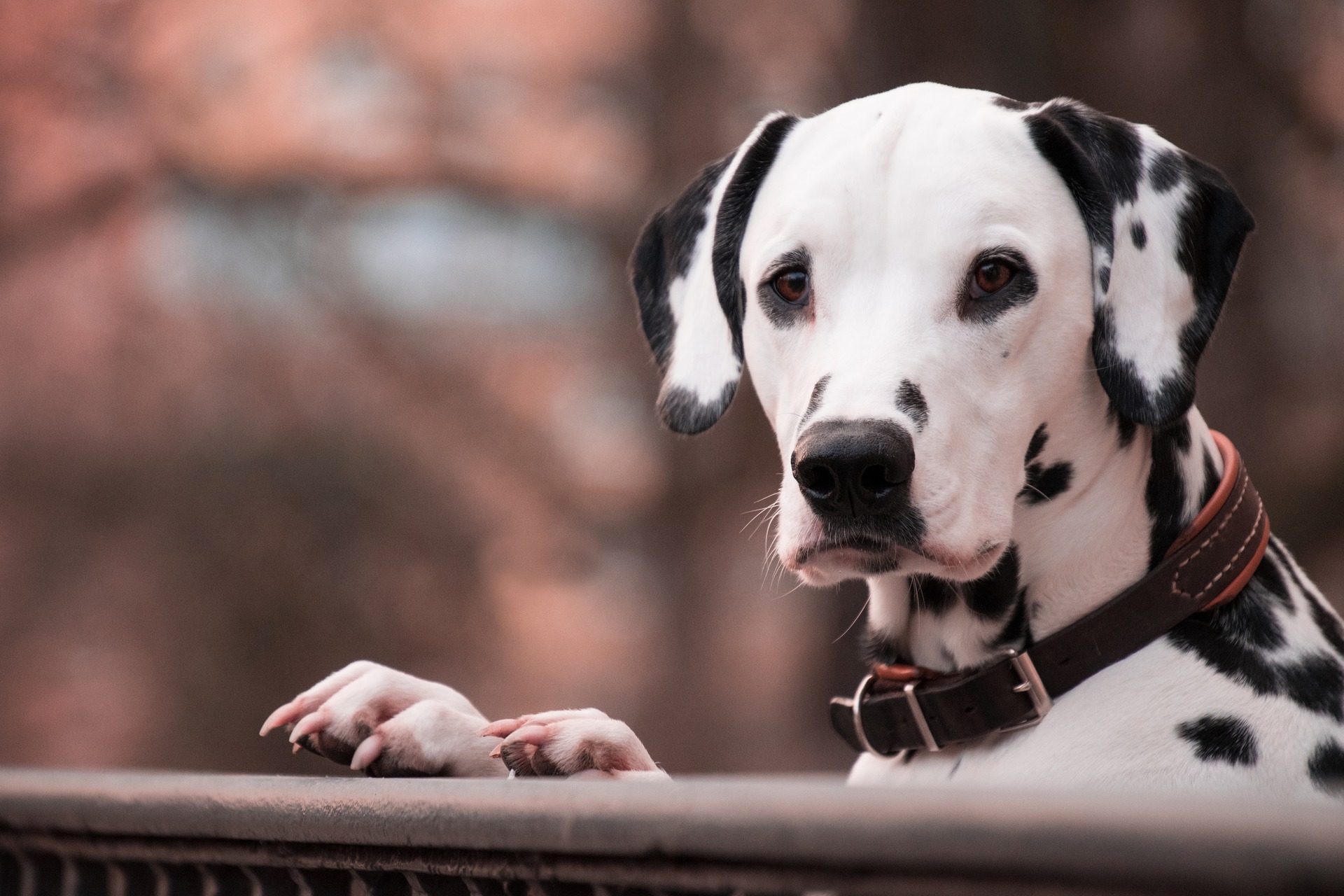
Dalmatian
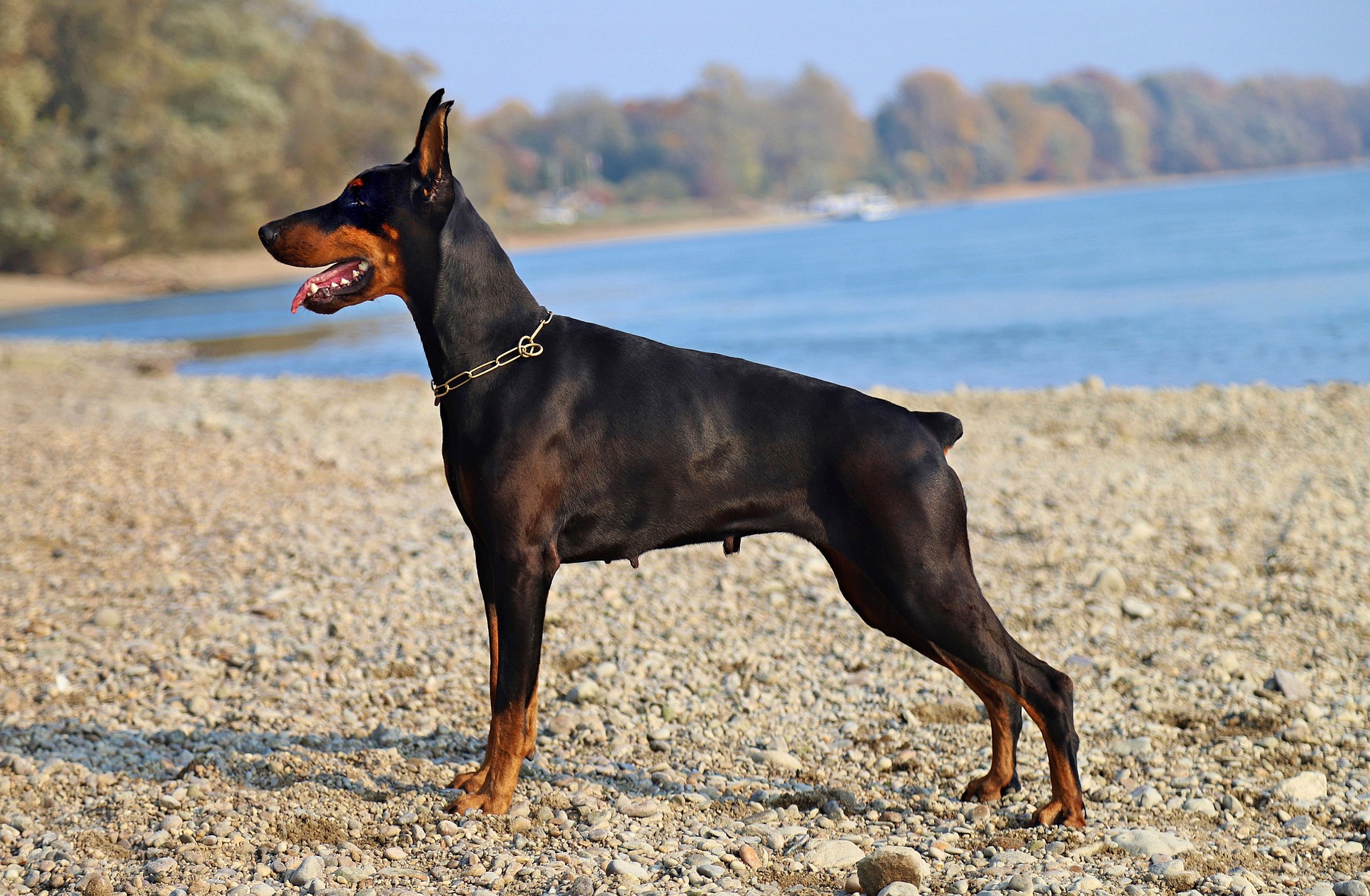
Doberman
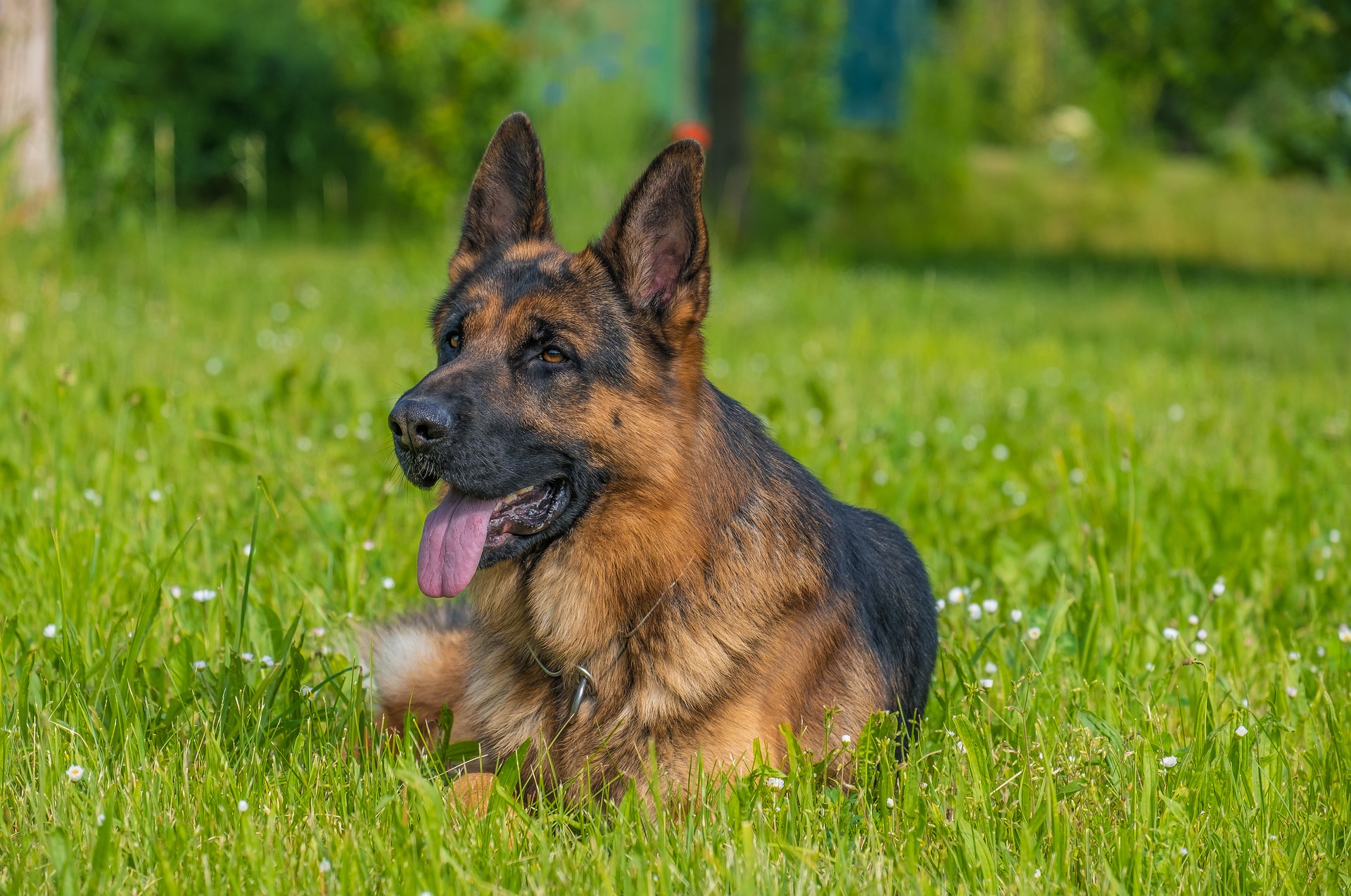
German Shepherd
Indian Spitz
Labrador
Pariah